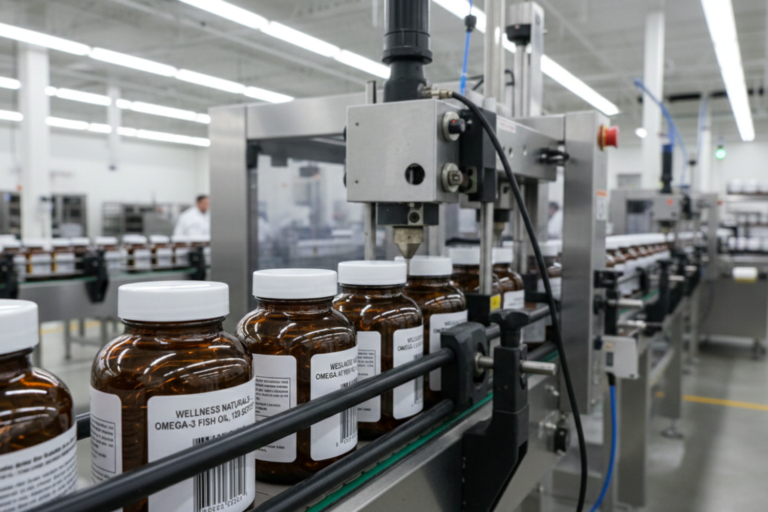
Choosing the right gummy supplement manufacturer is one of the most important decisions a supplement brand will make. The wrong partner can lead to quality issues, compliance failures, delayed launches, or irreparable damage to customer trust. Verifying a manufacturer before signing helps protect your business, your brand, and the consumers who rely on your products.
This guide is designed to help founders avoid costly mistakes, understand what truly matters in gummy supplement manufacturing, and choose a partner that supports long-term growth, safety, and success in a competitive nutraceutical industry.
What To Verify Before Choosing A Gummy Manufacturer
Before moving forward, confirm that the manufacturer meets regulatory requirements, maintains recognized certifications, and operates transparently. These checks establish a baseline for reliability before you commit to a deeper evaluation.
What Regulatory Requirements Must A Manufacturer Meet?
A gummy supplement manufacturer must be registered with the U.S. Food and Drug Administration (FDA) and follow current Good Manufacturing Practices (cGMP). These requirements apply to all dietary supplement operations, including contract gummy manufacturing in the United States.
A consistent compliance history is important. Warning letters, unresolved violations, or repeat findings may indicate gaps in quality systems or oversight.
Which Certifications Matter For Gummy Manufacturing?
Third-party certifications and audits, such as NSF International (NSF) or International Organization for Standardization (ISO) standards, indicate that a manufacturer follows documented quality and manufacturing processes. These credentials support consistency and accountability, but they do not replace direct evaluation.
Certifications should be viewed as a baseline signal rather than a guarantee of performance or product outcomes.
How Do You Evaluate A Manufacturer’s Business Stability?
Business stability can be assessed by reviewing a manufacturer’s operating history and ownership structure to understand its ability to support consistent production and long-term partnerships. Key factors to review include:
- Years in operation – Manufacturers with five or more years in business are more likely to have established systems, experienced teams, and familiarity with audits, regulatory updates, and scaling challenges.
- Industry focus – A sustained commitment to supplement manufacturing suggests better alignment with regulatory requirements and evolving market demand.
- Ownership transparency – Clear, stable ownership indicates accountability and reduces the risk of sudden operational or strategic shifts.
- Leadership continuity – Consistent leadership supports long-term planning, compliance investment, and reliable client support.
- Track record through change – Evidence of managing supply chain shifts, audits, or growth without service disruption signals operational resilience.
This review helps founders identify manufacturers positioned to deliver consistent quality and dependable long-term support.
What Quality And Facility Standards Should Founders Expect?
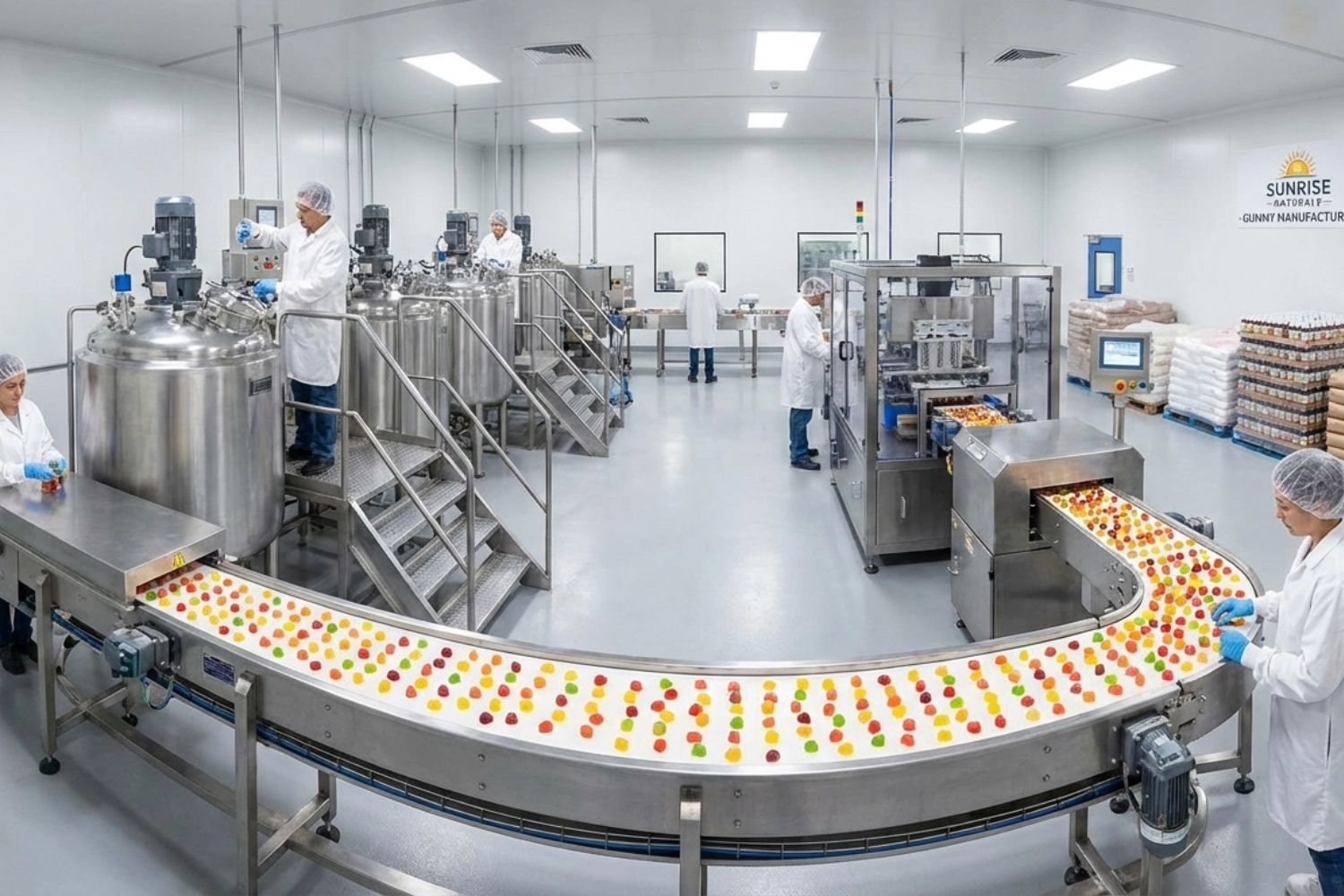
A qualified manufacturer should operate clean, organized facilities with documented processes and visible quality controls throughout production. Facility standards directly affect consistency and operational efficiency.
What Should A Virtual Or On-Site Facility Tour Include?
Facility tours should cover production lines, storage areas, packaging zones, and quality testing areas. Look for organized workflows, clear labeling, appropriate ingredient storage, and documented sanitation and maintenance practices.
Tours should also demonstrate how products move through production and how quality checks are applied at each stage.
Red Flags When Choosing A Gummy Supplement Manufacturer
Certain warning signs may indicate operational or compliance risks and should be addressed before proceeding.
Regulatory Red Flags
- FDA warning letters or unresolved recalls
- Repeated inspection findings without documented corrective actions
- Incomplete or inconsistent compliance records
Operational Red Flags
- Unclear ownership or leadership structure
- Missing or outdated certifications
- Refusal to provide facility access
- Vague answers about processes or documentation
- Slow communication or shifting timelines
- High staff turnover or changing policies early in discussions
Early identification of these issues helps reduce the risk of delays or quality disruptions.
How To Pre-Qualify A Manufacturer Before Quotes
Pre-qualification helps narrow your options before pricing discussions by confirming whether a manufacturer is a basic fit. It allows you to verify compliance, documentation, and operational readiness early in the process. This step saves time and helps avoid discussions with manufacturers that cannot meet your requirements.
What Documents Should You Request Upfront?
Request the following to evaluate day-to-day operations and quality systems:
- Certifications – cGMP status, FDA registration, and third-party credentials
- Compliance records – inspection histories and corrective action documentation
- Certificates of Analysis (COAs) – testing records for ingredients and finished products
- Client references – insight into communication, reliability, and issue resolution
How Do You Verify A Manufacturer’s Regulatory History?
Regulatory history should be verified through multiple sources:
- Review FDA databases and inspection records
- Examine past enforcement actions and resolutions
- Compare public records with provided compliance documents
- Match product samples to COAs
- Speak with current or former clients about compliance and responsiveness
Cross-checking these sources helps confirm consistency between documentation and real-world performance.

Final Checklist For Choosing A Gummy Manufacturer
Start by confirming U.S. Food and Drug Administration (FDA) registration, current Good Manufacturing Practices (cGMP) compliance, and a clear regulatory history. Review certifications to establish baseline quality systems, then evaluate business stability and facility transparency.
A reliable partner should provide access to documentation, explain processes clearly, and respond consistently during evaluation. Completing a structured review before requesting quotes helps founders make informed decisions with fewer surprises later.
Frequently Asked Questions
What certifications should a gummy supplement manufacturer have?
A gummy supplement manufacturer should be FDA compliant, follow cGMP standards, and hold recognized third-party certifications such as NSF or ISO.
How can I verify FDA and cGMP compliance?
You can verify compliance by checking FDA registration records, reviewing inspection histories, and requesting current documentation from the gummy manufacturer.
What are the biggest red flags when choosing a gummy manufacturer?
Red flags include FDA warning letters, unresolved recalls, lack of transparency, or refusal to share facility access or quality documentation.
Are virtual facility tours enough when evaluating gummy manufacturing?
Virtual tours help with early screening, but they should be supported by audits, documentation, and product samples before signing.
How can a supplement brand protect quality when using contract manufacturing?
Brands can protect quality by requesting COAs, confirming certifications, reviewing compliance history, and setting clear expectations for formulation and production.
References
- Harvard Health Publishing. (n.d.). Supplements: A scorecard. Harvard Health. https://www.health.harvard.edu/newsletter_article/supplements-a-scorecard
- Harvard T.H. Chan School of Public Health. (n.d.). Dietary supplements. The Nutrition Source. https://nutritionsource.hsph.harvard.edu/dietary-supplements/
- International Organization for Standardization. (n.d.). Certification. ISO. https://www.iso.org/certification.html
- National Sanitation Foundation. (n.d.). Certification. NSF. https://www.nsf.org/certification
- National Sanitation Foundation. (n.d.). Dietary supplements and nutritional products. NSF. https://www.nsf.org/nutrition-wellness/dietary-supplements-nutritional-products
- U.S. Pharmacopeia (USP). (n.d.). Verified mark. USP. https://www.usp.org/verification-services/verified-mark