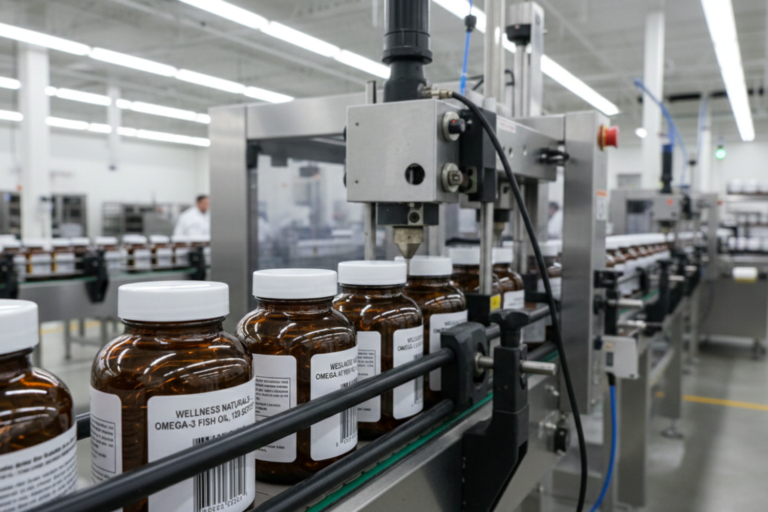
Opening a supplement brand is capital-intensive, especially with capsule manufacturing, where humidity controls and tooling precision are non-negotiable. Many founders focus solely on capsule production speeds, raw materials, or the cutting-edge technology used to create custom capsule supplements. While advanced equipment is important, focusing only on these “Product Factors” ignores a significant risk. You must also evaluate the actual business health of the manufacturer.
In this guide, we call this Operational Intelligence. A machine for making capsules is only as reliable as the company that runs it. If a partner lacks financial stability, your final product will suffer regardless of their quality control tools.
To help you find a partner capable of meeting the highest standards, we will examine the three pillars of a Business Profile: Age & Stability, Ownership Structure, and Legal Records.
What Defines an “Ideal Fit” in Capsule Manufacturing?
An “Ideal Fit” in capsule manufacturing is a partner that demonstrates organizational resilience and complete operational transparency. Long-standing manufacturers are more likely to be financially reliable. They often have the financial buffers to absorb supply chain issues without forcing sudden price hikes on your capsule supplement manufacturing project.
This stability is often found in private or family-owned businesses. Their ownership structure aligns better with your growth by prioritizing long-term reputation and commitment over the short-term quarterly profits that often drive corporate decisions.
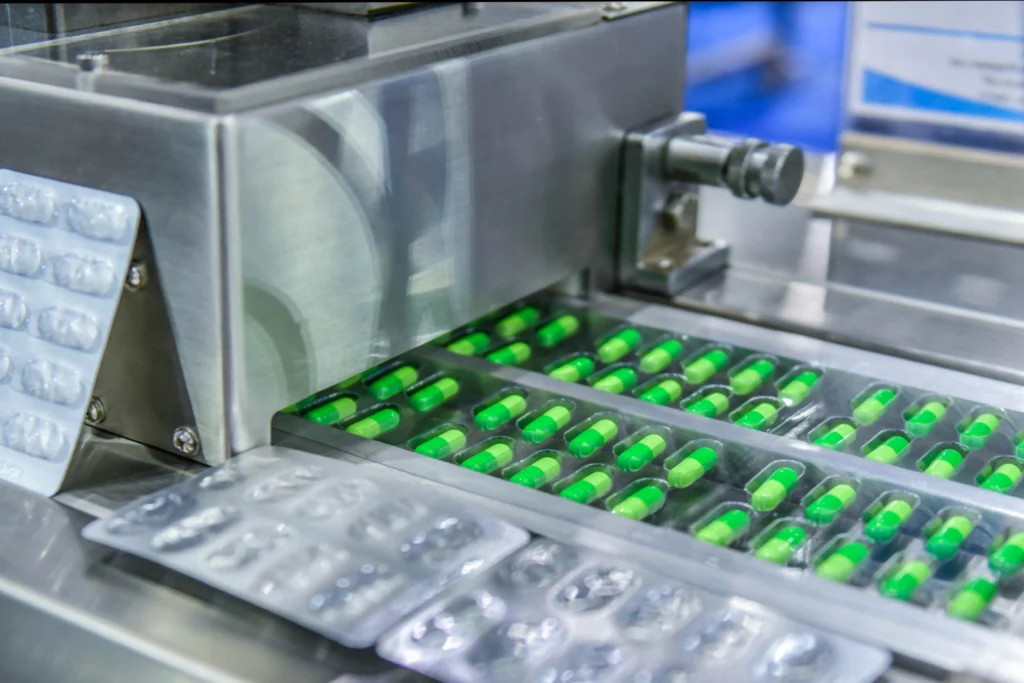
Why Is Five Years the Benchmark for Stability?
A manufacturer with at least five years of industry experience is a prudent choice for any dietary supplement brand. They have proven their ability to survive market shifts. This track record suggests they have the operational resilience needed to support a long-term partnership and deliver capsules produced to spec.
Mastering the Production Learning Curve
Experienced teams have already refined their manufacturing process to handle common issues like powder flow or sticking. Years of capsule production allow them to maximize efficiency and consistency in every batch. This ensures your final product meets specifications regarding weight and particle size without costly delays. This expertise helps them apply dry granulation effectively for better blend uniformity and capsule performance.
Proven Compliance and Audit Maturity
Older facilities have likely undergone multiple audits. This proves their quality assurance systems can withstand regulatory scrutiny. This history of meeting industry standards supports high levels of safety and quality control in your supplement line, something newer shops might still be building. They understand dietary restrictions and the nuances of handling specific active ingredients and other sensitive compounds.

How Does Ownership Affect Stability?
The ownership structure of a facility gives you valuable insight into their operational priorities. It shows how they handle capsule filling demands. While large corporations may focus more on short-term results, private ownership often signals a dedication to legacy, long-term relationships, and consistent use of high-quality equipment.
Stability in Family-Owned Firms
Family-owned businesses often view their manufacturing capabilities as a multi-generational asset rather than a quick cash cow. This perspective drives them to maintain deep expertise and reliable equipment. It fosters stable relationships that help your brand grow over decades. They often invest in cutting-edge technology not just for speed, but to ensure filled capsule shells are perfect every time.
Risks of Corporate Leadership Turnover
Corporate-owned entities often experience leadership changes. This can lead to sudden shifts in strategy that disrupt your production run. New management might alter project requirements or pricing structures to boost stock prices. This leaves your brand scrambling to adapt to new terms. It can impact everything from raw materials sourcing to the availability of hard gelatin capsules.
Agility of Privately-Held Companies
Privately held companies can make quick decisions to upgrade machines or adjust to new market trends without needing board approval. This ability to pivot fast is crucial when you need custom capsule supplements, such as vegan capsules or colored capsules. It also matters when you have urgent changes in formulation. They can easily adapt the form or shape of capsules to suit your packaging needs.

What Are the Warning Signs of a “Poor Fit” Partner?
Even established facilities can display “Red Flags” that signal potential failure in their capsule manufacturing process. Identifying these early protects your inventory from getting stuck with an unstable vendor who cannot guarantee shelf life, suitable materials, or on-time delivery.
- Frequent Name Changes or Rebranding: This often attempts to wash away a bad reputation, past regulatory failures, or issues with quality control for capsules.
- Signs of Financial Distress: Look for recent layoffs, budget cuts on capsule body inventory, or halted facility expansions. These suggest they may not be able to fund essential maintenance, staffing, or equipment upgrades.
- Pending Legal Disputes (Legal Records): Always check public legal records for lawsuits from suppliers or other brands regarding capsule products or unpaid bills. These often indicate hidden instability behind the scenes.
Why Data-Driven Vetting Protects Your Inventory
“Business Profile” vetting, which means checking age, ownership, and records, is just as important as evaluating packaging, dosage forms, and equipment. In capsule manufacturing, operational stability matters as much as technical capability. Partnering with a financially stable, compliant, and experienced manufacturer helps ensure your product arrives in bottles on spec and on schedule. Use these checks to vet your next manufacturing partner with a data-driven approach so you can protect your inventory and brand reputation.
Frequently Asked Questions
Why is the “five-year rule” important for capsule manufacturers?
Manufacturers with five-plus years of experience have refined production processes and weathered industry changes, offering greater stability than new companies.
How does ownership structure affect supplement quality?
Privately owned or family-owned manufacturers often prioritize long-term reputation and highest standards over short-term profit maximization, which is often seen in corporate or private equity-owned firms.
What is a major red flag when checking a manufacturer’s history?
Frequent name changes or rebranding efforts can be a tactic to distance the company from past regulatory violations, poor gelatin solution handling, or bad reputations.
How can I verify a manufacturer’s compliance claims?
You should cross-reference their claims using the FDA (Food and Drug Administration) inspection database and request current third-party audit certificates directly.
What does “financial reliability” look like in a manufacturer?
A financially reliable manufacturer has the capital to handle unexpected moisture control costs or supply issues without compromising dosage accuracy or forcing price hikes on your brand.
References
- Baron, J. (2025, February 21). How a company’s ownership model shapes the mistakes it makes. Harvard Business Review. https://hbr.org/2025/02/how-a-companys-ownership-model-shapes-the-mistakes-it-makes
- Forbes Business Development Council. (2025, March 4). 20 key factors for long-term success when choosing the right business partner. Forbes. https://www.forbes.com/councils/forbesbusinessdevelopmentcouncil/2025/03/04/20-key-factors-for-long-term-success-when-choosing-the-right-business-partner/
- Wing, C. R., & Keulen, M. (2023). Demystifying the family enterprise (Course Overview Note No. 56573). Harvard Business School. https://www.hbs.edu/faculty/Pages/item.aspx?num=56573 (Original work published 2019)