
Not all natural ingredients are inherently safe, and not all synthetic ingredients contain harmful chemicals. This guide explores the key differences, benefits, and considerations of using natural and synthetic ingredients in nutrition products to help brands make informed formulation decisions.

This article covers key nutritional ingredients, formulation expertise, development challenges, and the importance of selecting ingredients based on nutrient requirements, regulatory standards, and consumer demand.

Developing high-quality, labeled gluten-free dietary supplements can help brands build trust, cater to specific dietary needs, and strengthen customer loyalty in a competitive market.

Chronic inflammation is increasingly recognized as a key factor contributing to health issues like joint pain, heart disease, and cognitive decline. Supplements formulated to support a healthy inflammatory response may promote joint health, immune function, and overall wellness.
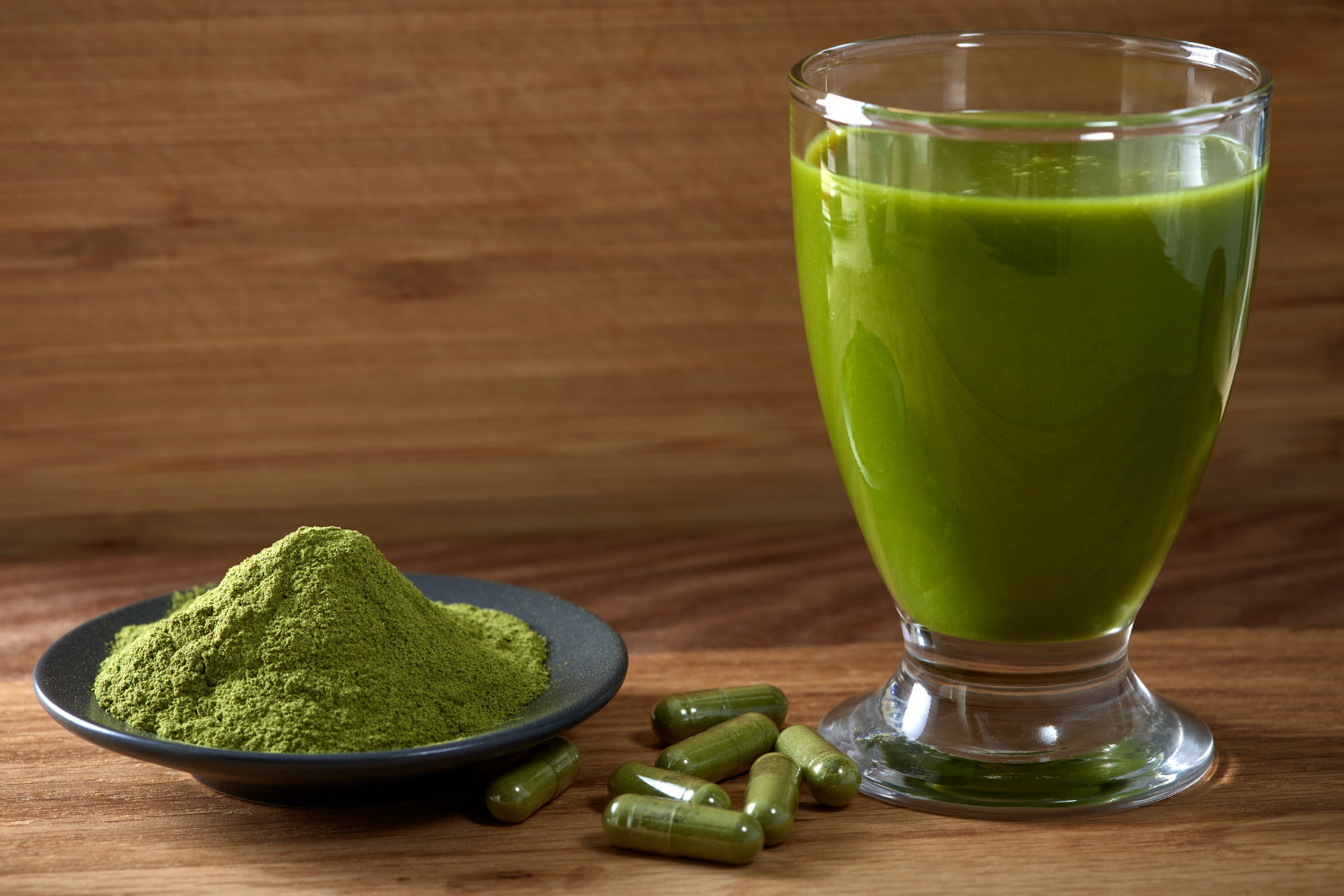
With their nutrient-rich profiles, superfoods like kale, broccoli, and beetroot juice are becoming staples in daily diets to support the body’s natural detoxification pathways and promote overall well-being. For nutrition brands, incorporating these superfoods into innovative products presents a valuable opportunity to meet the demand for solutions that promote skin health, a balanced diet, and the optimal function of vital organs.

The growing focus on sexual health has sparked increased interest in supplements that support libido, stamina, and hormonal balance. As sexual health plays a critical role in overall wellness, confidence, and emotional health, more consumers are seeking effective ways to enhance their intimate relationships and physical well-being.