Starting your journey toward creating a supplement brand often feels overwhelming. There are so many decisions to make early on, from ingredients and pricing to supplement manufacturing and Food and Drug Administration (FDA) regulations. The pressure to get everything right can make the process seem more complicated than it really is.
Once you break the work into smaller steps, building a supplement company becomes more manageable. You start by learning what your target customers are looking for, choosing supplement formats that match those needs, and defining your pricing strategies. As you move forward, you shape your supplement packaging, branding, and product line so your supplement business fits into the wellness industry with a clear identity.
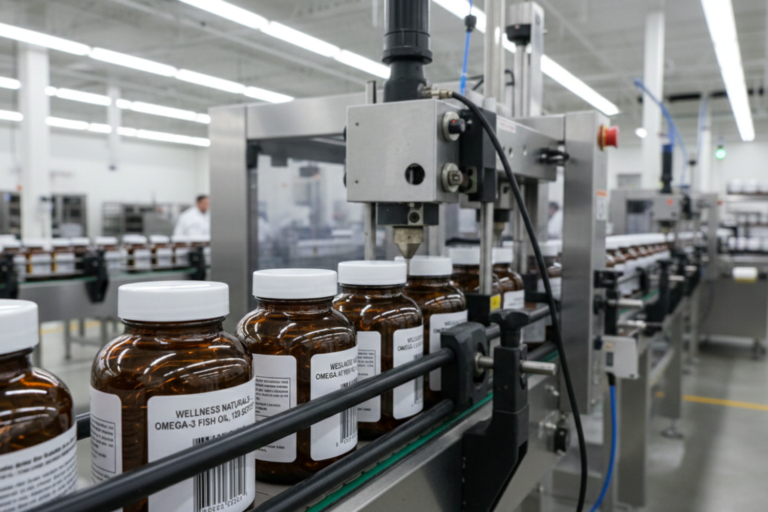
One step many beginners overlook is selecting the right supplement manufacturer. The partner you choose determines your product quality, safety, production timeline, and your ability to launch on schedule. Much of what the supplement industry uses today is built on pre-qualification and disqualification standards, which help founders find reputable manufacturers while avoiding risky ones.
With a clear direction and steady progress, you can bring your supplement brand to life and enter a fast-growing market with confidence.
What Should You Decide Before Creating a Supplement Brand?
Laying the groundwork helps you avoid costly mistakes later. These early choices shape the goals, values, and direction of your supplement business. Once these pieces are set, the rest of your planning becomes much easier.
Who Is Your Target Customer and What Problem Do You Solve?
Your target customer shapes every decision you make. People looking for gut health support, sports nutrition, herbal supplements, or weight loss supplements come with different expectations and pain points. Understanding those needs helps you choose high-quality ingredients, supplement formats, and marketing strategies that fit their lifestyle.
When you know what your target customers care about, you can develop a supplement product or formula that solves a real problem. This improves your marketing materials and helps you stand out in a crowded supplement market.
What Type of Supplements Will You Start With?
Many beginners start with white label or private-label products because they offer a simple, low-risk entry into the wellness space. White label products are ready-made formulas that you brand as your own. Private label supplements give you small customization options and a more personal touch.
If you want your own line with unique benefits, you can choose a custom formula. Custom formulations require more time and thorough research, but they give you complete control over the product you’re creating and how it stands out.
How Do Pricing, MOQs, and Lead Times Affect Your First Product?
Pricing, minimum order quantities (MOQs), and lead times affect your profit margins and launch timeline. Pricing strategies help you decide whether you want premium pricing or competitive prices. MOQs show how much inventory you need to buy at once, which impacts your budget. Lead times tell you how long your supplement manufacturer needs to produce your first batch.
Shorter lead times help you manage an online business more smoothly, especially when preparing for market launch. These factors are important when starting a supplement company because they determine how fast you can sell supplements and restock inventory.
Choosing the Right Manufacturer for Your Supplement Brand
Your supplement manufacturer determines product safety, consistency, and long-term growth. Using a clear pre-qualification process helps you avoid weak partners and protect your supplement brand before problems arise.
What Pre-Qualification Criteria Should Every Manufacturer Meet?
- Regulatory compliance: The manufacturer should follow current Good Manufacturing Practices, maintain FDA registration, and meet all FDA regulations.
- Experience: At least five years in business shows stability and operational maturity.
- Legal history: No unresolved violations, warnings, or product recalls.
- Certifications: NSF (National Sanitation Foundation), ISO (International Organization for Standardization), or similar credentials confirm strong quality systems.
- Facility transparency: The manufacturer should allow virtual or on-site tours.
- Ownership stability: A clear ownership structure that demonstrates long-term reliability.
What Red Flags Should Disqualify a Manufacturer Immediately?
- Regulatory failures: Recent or repeated issues with compliance or product safety.
- Missing certifications: No NSF or ISO credentials for quality assurance.
- Opaque ownership: No clarity about who runs or controls the business.
- Facility issues: Unwillingness to share documentation or allow inspections.
- Instability risks: Warning signs of poor operations that may affect your supplement product or market launch.
What Documents Should You Request Before Moving Forward?
- Certifications: NSF, ISO, or equivalent documentation that confirms high standards.
- Testing methods: Proof of quality testing across all batches.
- Compliance reports: Recent inspection records and regulatory compliance details.
- Ownership details: Clear information about company leadership and structure.
- Facility access: Virtual or on-site tours to review equipment and safety processes.
What Goes Into Developing Your First Supplement Product?
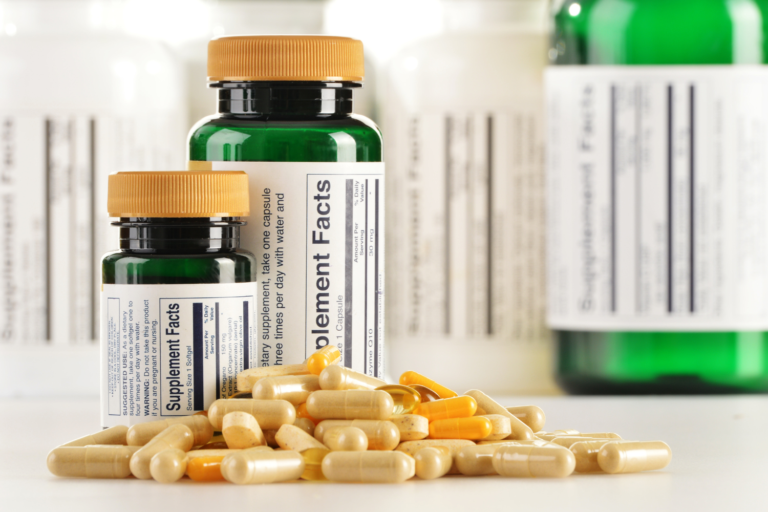
Creating your supplement product includes choosing ingredients, designing packaging, and building a supplement label that follows labeling rules set by the FDA. These choices shape how potential customers see your supplement brand and how confident they feel buying it.
How Do You Choose Ingredients That Match Your Brand Vision?
Your ingredients should match the outcomes your target customers want. Someone focused on sports nutrition may prefer protein powders, while health-conscious buyers might prefer vegan supplements or food supplements. High-quality ingredients support your marketing efforts and your promise to customers.
Thorough market research and tools like Google Trends help you find ingredients with significant growth and strong demand.
What Packaging Decisions Matter Most for Beginners?
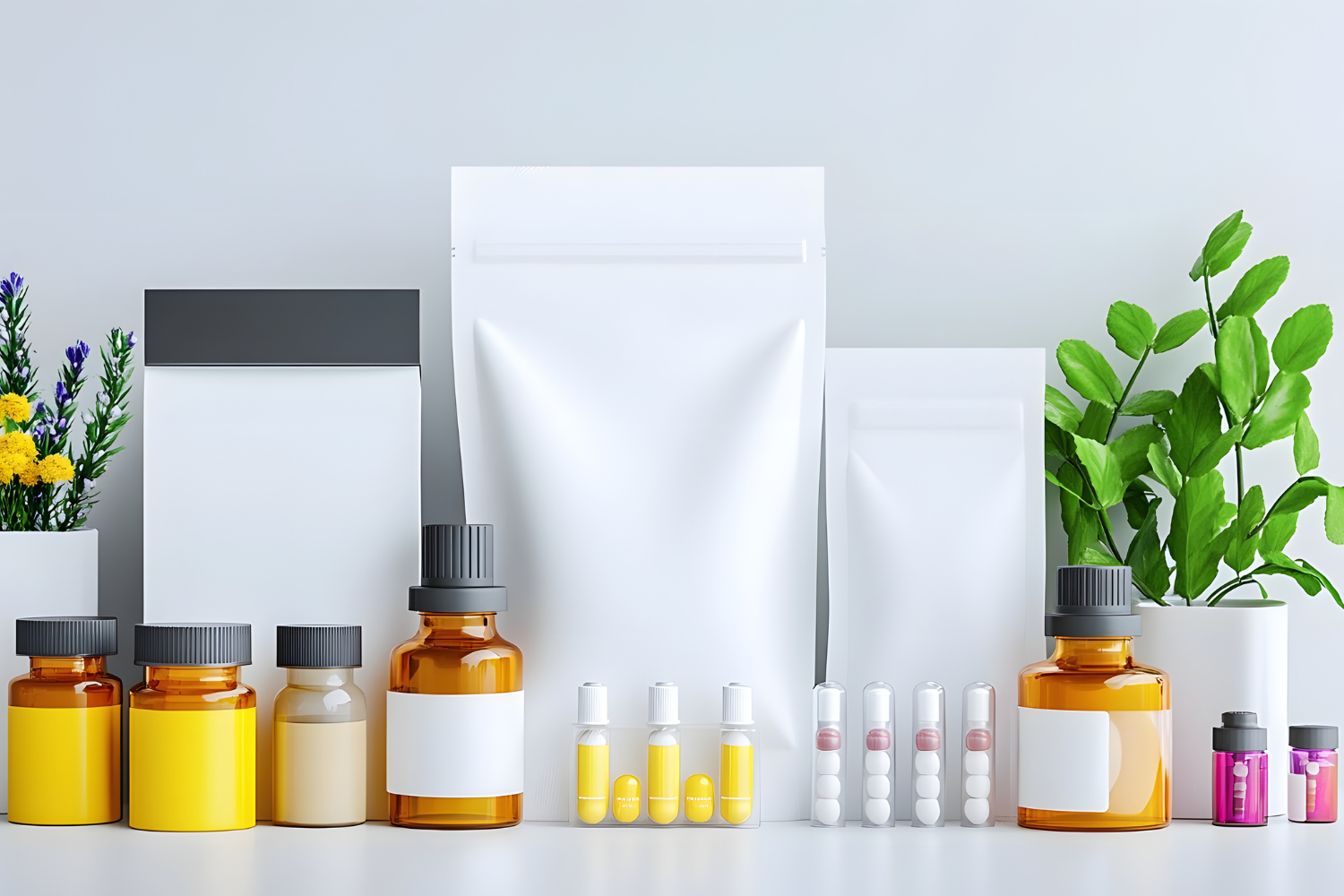
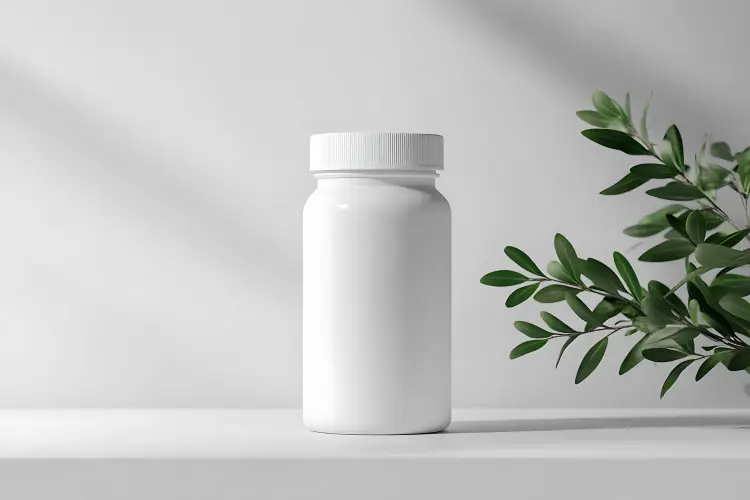
Packaging affects customer trust and first impressions. Clear supplement packaging and readable labels help customers understand your product quickly. Beginners usually benefit from simple, sturdy containers that protect ingredients and work well for online shopping.
Strong packaging gives customers a clear impression of your brand and improves how your products appear online.
How Do You Keep Your Label Compliant Without Overpromising?
A compliant supplement label should follow the rules the FDA regulates. Avoid making medical claims or suggesting your supplement treats conditions. Focus on general wellness benefits, clear directions, and honest information.
Simple, clean labels protect your supplement business during market launch and help customers feel confident about what they’re buying.

How Do You Build a Supplement Brand Customers Trust?
Trust grows over time through consistency, transparency, and strong communication. A reliable supplement brand keeps its message clear and stays connected to customers who rely on it.
Craft a Strong Brand Story
Share why you started your supplement company and the problem you aim to solve. When your story matches your specific niche, customers understand what makes your supplement product different, which encourages customer loyalty.
Choose Packaging & Design Wisely
Use colors, shapes, and fonts that reflect your brand values. Clear, simple designs help customers understand your product line and feel confident in your supplement label. A consistent look also strengthens your brand identity.
Position Against Competitors
Study competitor pricing, supplement formats, and reviews. Look for gaps you can fill with your own supplements. This helps you set competitive prices or premium pricing and retain customers through repeat business.
Where Should You Sell Your Supplement Brand First?
Choosing where to sell supplements affects customer acquisition, marketing strategies, and how quickly your supplement brand grows. Each sales channel offers different advantages depending on your goals.
- Amazon: A fast way to reach shoppers already searching for dietary supplements.
- Shopify: A strong option if you want full control of your online business, branding, and customer experience.
- Both Amazon & Shopify: Many founders use both to increase visibility and strengthen their supplement market presence.
- Fulfillment & Inventory Management: Decide if you will ship orders or use a fulfillment partner. Keep enough inventory to avoid delays and support subscription models and repeat purchases.
- Early Marketing Steps: Simple marketing efforts, including user-generated content, Google Ads, and updated marketing materials, help you reach potential customers. Staying active helps keep customers engaged.

What Should Your First 90 Days Look Like?
A clear 90-day plan helps you stay organized as your business grows. Breaking your work into monthly stages makes the launch process easier to manage.
A structured 90-day plan helps you stay organized and launch your supplement brand with fewer delays. The timeline below breaks the work into simple monthly goals so you can move from planning to market launch with clarity.
| Month | Main Focus | What You Should Complete |
|---|---|---|
| Month 1 | Early Planning | Conduct market research, choose ingredients, select supplement formats, and complete manufacturer pre-qualification. Review documentation from reputable manufacturers and confirm that partners meet all regulatory compliance requirements. |
| Month 2 | Product Development | Finalize packaging, design your supplement label, and place your first production order. Build your online business website and prepare for your market launch. |
| Month 3 | Launch and Promotion | Release your product line, start marketing efforts, open your store, and begin customer outreach. Gather early feedback to improve your supplement business as it grows. |
Building a Successful Supplement Brand
Creating a supplement brand becomes easier when you understand your customers, choose steady manufacturing partners, and follow clear industry standards. Setting simple systems, realistic goals, and a reliable supplement manufacturer gives you a strong foundation. With careful planning and steady progress, your supplement product can enter the supplement industry with confidence and serve customers who value quality and consistency.
Frequently Asked Questions
How much does creating a supplement brand typically cost?
Creating a supplement brand usually starts at a few thousand dollars, depending on formulation, packaging, and supplement manufacturing choices.
Do I need certifications to create a supplement brand?
You don’t need certifications personally, but your supplement manufacturer should have NSF, ISO, or cGMP certifications to meet regulatory compliance.
How long does it take to launch a supplement product?
A new supplement product usually takes two to three months to launch based on MOQs and lead times.
Is white labeling or private labeling better for beginners?
White label products are faster for beginners, while private-label supplements offer more customization.
How do I know if a supplement manufacturer is trustworthy?
A trustworthy manufacturer meets regulatory standards, has a clean compliance record, provides certifications, and allows facility access.
References
- ISO. (n.d.). Global standards for trusted goods and services. https://www.iso.org/home.html
- Investopedia. (2025, April 23). What is a white label product, and how does it work? By C. Tardi. https://www.investopedia.com/terms/w/white-label-product.asp
- NSF. (n.d.). Improving human and planet health. https://www.nsf.org/
- Online Harvard Business School. (2025, October 17). Why identifying your target audience is important to your marketing strategy. By K. Gibson. https://online.hbs.edu/blog/post/target-audience-in-marketing