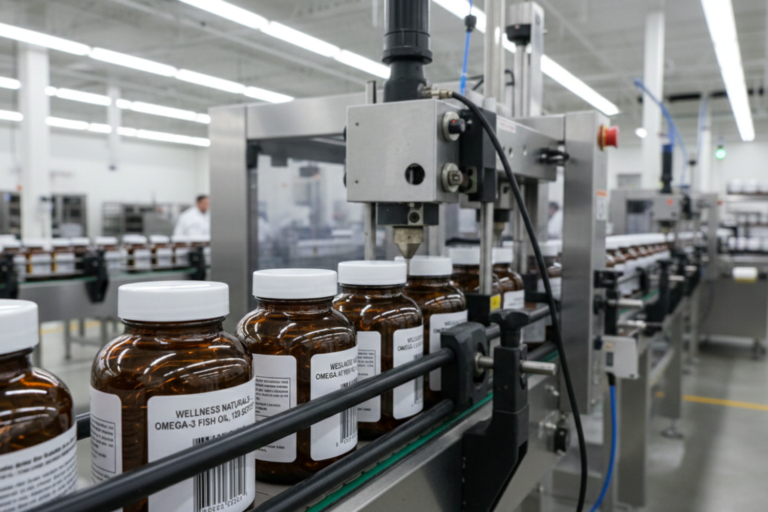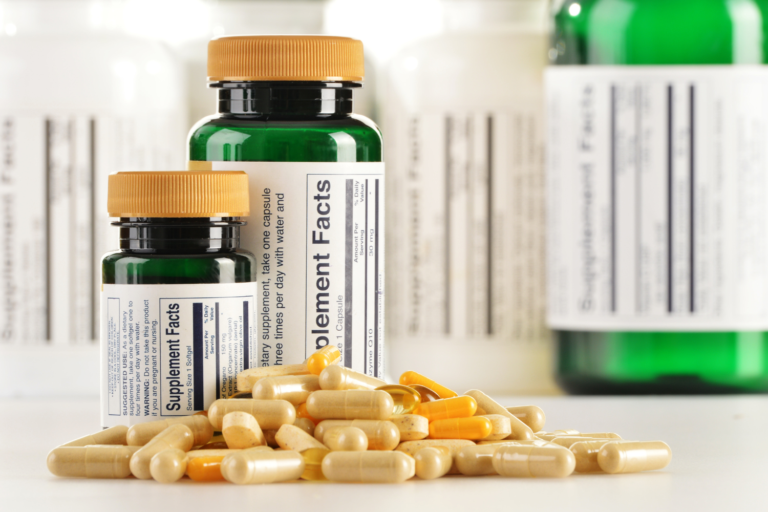
Early gaps in formulation, packaging, or timing often lead to delays in custom supplement launches. This article explains how pilot runs, realistic lead times, and upfront confirmations help brands launch supplements with fewer surprises and avoid unnecessary cost or stress. Many delays occur after a Purchase Order (PO) is placed, even as key questions remain unresolved. Early planning protects quality, delivery, and the customer experience.
In this guide, “custom” means changing the formula, format, or labeling. That includes personalized vitamins, personalized daily vitamin packs, and vitamin packs built from a health quiz designed to reflect unique needs and lifestyle factors. Customization can align with individual preferences and support consistent supplement use over time, yet it also adds operational complexity. This checklist helps decision-makers make more informed choices before committing resources.

Pilot Runs: When They Matter and What They Validate
Pilot runs matter because they confirm whether a custom supplement can be produced accurately, consistently, and at the right quality level before full manufacturing begins. They validate formula accuracy, nutrient consistency, pack and own-pack assembly, and whether documentation supports reproducible results across vitamin packs, personalized daily vitamin packs, and other personalized supplements.
Pilot runs reduce risk, control cost, protect timelines, and build launch confidence for both the company and its customers, especially brands offering a personalized approach and tailored wellness solutions. Pilot runs also show how a unique formula performs in real-world use in addition to internal testing or research. They help evaluate how the product performs in routine use, including attributes such as taste, ease of use, and compatibility with daily routines.
Pilot Run Pass Criteria
Pilot-run pass criteria determine whether a custom supplement is ready to proceed to full production and delivery. A pass confirms the formula meets quality, performance, and documentation standards across vitamins, minerals, fish oil, and other essential nutrients.
Clear criteria reduce cost, prevent rework, and support better decisions, protecting both the company and its customers. This step is especially important for personalized supplements, vitamin packs, and personalized daily vitamin packs tied to specific wellness goals.
A pilot run should confirm the following before scale-up:
- Formula accuracy and nutrient consistency to support health goals and intended benefits
- Acceptable taste, texture, or mixability so the product tastes great and fits daily routines
- Repeatable production and packaging outcomes to ensure reliable quality and consistent delivery
Product Performance Checks
Product performance checks evaluate how a custom supplement performs during production and daily use within a real-world routine. Taste, texture, stability, mixability, and how the formula works across powders, capsules, liquids, and vitamin packs all affect quality, cost, and customer experience. A supplement that tastes great and fits easily into everyday life supports consistent use, stable energy levels, and long-term health goals, while early fixes help brands avoid production issues and deliver reliable results.
These checks are especially important for personalized supplements, vitamins, and daily vitamin packs created through a health quiz or personalized approach. Ingredients such as fish oil, minerals, and essential nutrients may behave differently during processing and delivery, affecting brain health, immune support, heart and joint health, sleep, and stress. Catching issues early helps customize a formula and create a tailored pack that supports each customer’s wellness journey and better health.
Packaging and Documentation
Packaging and documentation confirm that a custom supplement can be reproduced accurately over time. Label fit, packaging compatibility, and expiration placement must be validated during the pilot run. Gaps here often delay delivery or fulfillment. Clear records reduce friction later.
Retain finalized formulas, batch records, and packaging files. This documentation simplifies reorders and lowers long-term cost. It also helps brands go the extra mile as they scale. Organized records protect quality and consistency.

Lead Times: What Drives Them and How to Get Real Dates
Lead times determine when a custom supplement actually reaches customers, not when it is planned. It reflects every stage from sourcing through delivery. Launch delays often stem from treating timelines as flexible instead of fixed. Real dates come from understanding dependencies.
Precise lead time planning helps align inventory, shop availability, and fulfillment expectations. It also improves communication across the team. Understanding what drives timelines supports making the best decisions for custom supplement launches. Many companies offer online assessments to help users determine their nutritional needs during the planning process. This clarity reduces stress during launch.
Timeline Planning and Buffers
Timeline planning defines the critical path for a custom supplement from approval to delivery. Each stage depends on the previous one, which makes buffers essential. Formula updates, label revisions, or compliance reviews can quickly reset schedules. A built-in buffer protects launch commitments.
Lead time planning should account for approvals, testing, packaging, and freight. Each step affects cost and delivery. Treating these stages as fixed in the project plan improves accuracy and helps prevent rushed decisions.
Raw Material Sourcing and Supplier Windows
Raw material sourcing affects when a custom supplement can enter production and move toward delivery. Specialized nutrients, tailored blends, or ingredients supported by clinical studies and research may be in limited supply. Supplier windows vary based on demand, past order history, and production capacity. Early confirmation helps control costs, protect timelines, and prevent delays.
This step is critical for personalized vitamins, vitamin packs, and daily packs tailored to specific wellness and health goals. Ingredient shortages can disrupt schedules and increase expenses across the company and supply team. Verifying supply early protects the unique formula, supports consistent quality, and improves reliability for customers seeking better health, stable energy levels, and long-term nutrition support.
Production Scheduling and Capacity
Production scheduling determines whether a custom supplement can be manufactured as planned. Manufacturers often book capacity weeks in advance. Without a secured slot, timelines shift. Capacity constraints frequently arise during seasonal demand peaks.
Confirm production dates in writing. This protects launch timing and coordination across the company and supports brands offering personalized daily vitamin packs. Precise scheduling improves consistency.
Lab Testing and COA Turnaround
Lab testing affects when a custom supplement can be released. Testing requirements vary based on formula and intended use. Results are documented in a Certificate of Analysis (COA). COA timing differs by lab.
Confirm turnaround times before production begins. Delays here often stall packaging or delivery. Clear expectations protect quality. They also support compliance and customer trust.
Packaging Component Timelines
Packaging components can delay a custom supplement even after production is complete. Labels, containers, cartons, and packs often come from separate suppliers. Each has its own timeline and cost structure. Missing one component stops fulfillment.
Confirm print approvals and delivery dates early. This reduces revisions and avoids extra cost. Packaging readiness supports quality presentation and protects the brand image.
Freight, Receiving, and Fulfillment Prep
Freight and fulfillment planning complete the custom supplement launch. Shipping, receiving, and inventory prep must align with production. Delays at this stage affect availability and customer delivery, so these steps are part of the overall timeline.
Confirm freight methods, receiving capacity, and fulfillment workflows. This helps ensure products are delivered as intended. Precise planning supports smoother operations and simplifies reorders.

The Launch Readiness Checklist
The launch readiness checklist confirms a custom supplement is ready for production approval. It serves as a final review before committing to the cost. Completing this checklist reduces risk and improves quality. It keeps teams aligned.
Use this checklist before approving production:
Product Decisions
- ☐ Formula finalized and evaluated
- ☐ Flavor profile and format approved
- ☐ Serving size and pack confirmed
Quality and Compliance
- ☐ Testing scope agreed in writing
- ☐ COA format confirmed
- ☐ Label claims reviewed to avoid disease or cure language
Packaging and Labeling
- ☐ Print files and materials approved
- ☐ Expiration stamping confirmed
Operations and Commercial Terms
- ☐ Lead times verified
- ☐ Production slot secured
- ☐ MOQ, unit cost, and PO terms reviewed
What’s Next After Scoring a Custom Supplement Manufacturer?
After scoring, execution determines whether a custom supplement launches smoothly. Strong execution supports quality, customer confidence, and long-term brand growth. It also simplifies future reorders. Transparent processes help teams scale efficiently and turn planning into real results.
Kickoff Call Agenda That Prevents Misalignment
The kickoff call aligns teams on scope, timelines, and responsibilities for the custom supplement. It confirms expectations and open questions. This prevents confusion later. Clear agendas support efficient execution.
Documentation Requests That Verify Capabilities
Documentation verifies a manufacturer’s ability to deliver the custom supplement as planned. Requests should confirm quality systems, compliance processes, and production capacity. This protects the brand and customers. It also supports stronger partnerships.
Final Approval Workflow Before Full Production
A final approval workflow confirms readiness for full production of the custom supplement. Defined approvals prevent delays and last-minute changes. This ensures accountability. It keeps launches on track.

Approve the Run, Simplify Reorders
Approve the run once the custom supplement is documented, tested, and scheduled clearly. Approval should feel controlled, not rushed. Clear records reduce future cost and friction.
Keep formulas, COAs, packaging files, and timelines organized. This makes reorders faster, more affordable, and more predictable. Clear documentation supports consistent quality, simplifies reorders, and creates a repeatable system for future product launches.
Frequently Asked Questions
What is a custom supplement, and how is it different from private label?
A custom supplement uses a unique formula, pack, or format tailored to specific health goals, like joint and heart health, while private-label supplements rely on pre-made formulas with limited customization.
How long does it take to manufacture a custom supplement from start to finish?
Most custom supplement projects take 8–16 weeks, depending on sourcing, testing, packaging, and confirmed lead times.
What is a pilot run, and is it always required?
A pilot run is a small test batch used to evaluate quality, taste, and performance before scaling, and while not always required, it’s strongly recommended for personalized supplements.
How much does a pilot run usually cost compared to full production?
Pilot runs cost more per unit than full production but often reduce total cost by preventing errors, delays, and rework.
What should I ask a manufacturer to confirm real lead times?
Request a breakdown of lead times for raw materials, production scheduling, lab testing, packaging, and freight.
Are there trusted brands or real-world examples in the custom supplement industry?
Trusted brands are best identified by transparent processes, proven delivery of personalized supplements, and consistent quality rather than name recognition alone.
References
- Hosbas Coskun S, Wise SA, Kuszak AJ. The Importance of Reference Materials and Method Validation for Advancing Research on the Health Effects of Dietary Supplements and Other Natural Products. Front Nutr. 2021 Dec 14;8:786261. doi: 10.3389/fnut.2021.786261. PMID: 34970578; PMCID: PMC8713974.
- QualityInspection.org. (2023, April 21). Pilot run best practices.https://qualityinspection.org/pilot-run-best-practices/
- U.S. Department of Agriculture. (n.d.). Dietary supplements.Nutrition.gov. https://www.nutrition.gov/topics/dietary-supplements
- Kenton, W. (n.d.). Lead time. Investopedia. https://www.investopedia.com/terms/l/leadtime.asp
- Creff-Froger, C., Bessiral, M., Fourmond, M. P., Hédou, C., & Perrin-Guyomard, A. (2017). *Certificates of analysis: A challenge to interpret.*Euroreference, (3), 27–34. https://doi.org/10.5281/zenodo.1172022
- Sharpless, K. E., Duewer, D. L., & Coates, P. M. (2008). *Standard reference materials for analysis of dietary supplements.*Journal of AOAC International, 91(6), 1298–1302. https://doi.org/10.1093/jaoac/91.6.1298