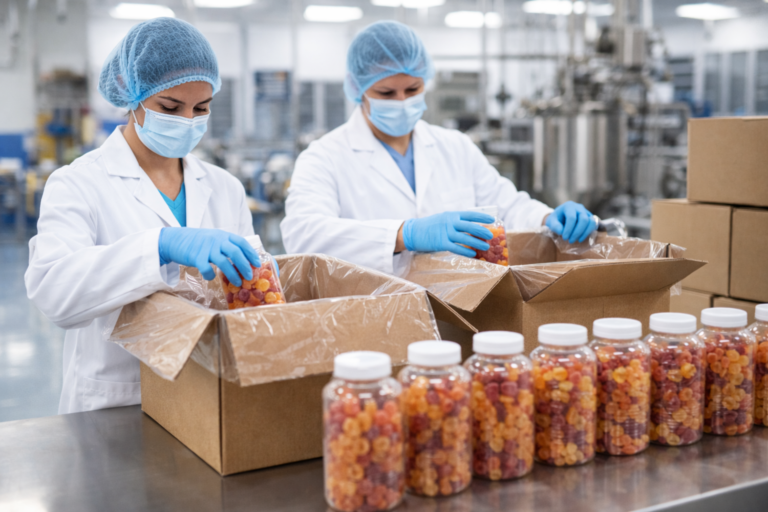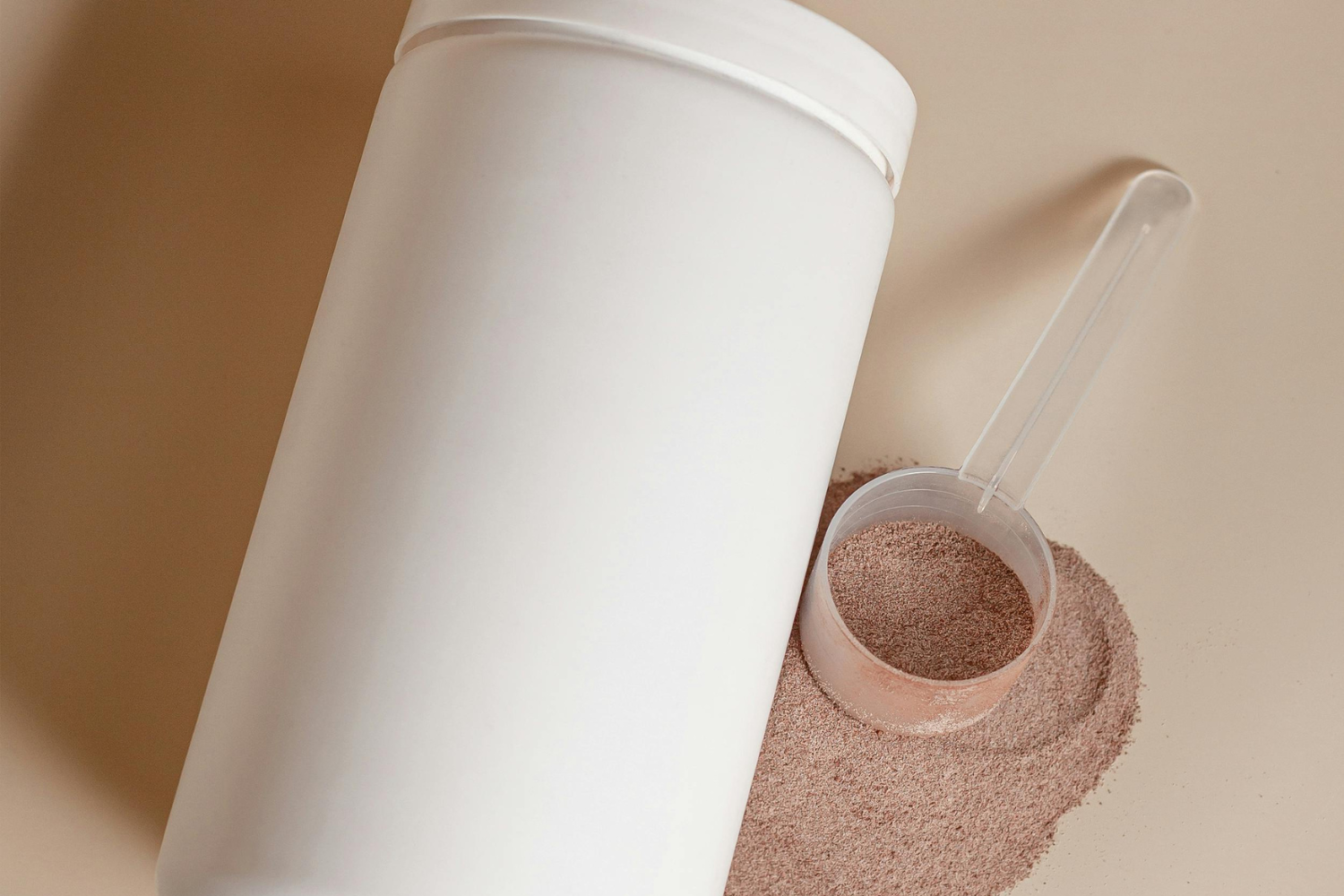
In powder supplement manufacturing, what you cannot see can cause the most damage. Microbial contamination, inconsistent blends, poor consistency, or trace gluten contamination can occur during production and seriously damage a brand. Many founders assume that if a powder supplement looks clean and the flavor seems right, it must be safe. However, without rigorous quality control, there is no way to verify purity, potency, or safety.
This guide explains why gluten testing, microbiological screening, and potency verification are essential pillars of supplement manufacturing, particularly for custom powder manufacturing, protein powders, collagen powders, and pre-workout powders.
Why Is Rigorous Testing Non-Negotiable For Powders?
Analytical testing is a primary safeguard for consumer safety and product quality. In powder manufacturing, visual checks cannot detect contamination, dosing errors, or formulation failures. Quality control helps ensure that every scoop meets label claims and the rigorous standards of the dietary supplements industry. Testing is essential for building trust with customers and protecting long-term business value.
Ensuring Product Safety Against Contaminants
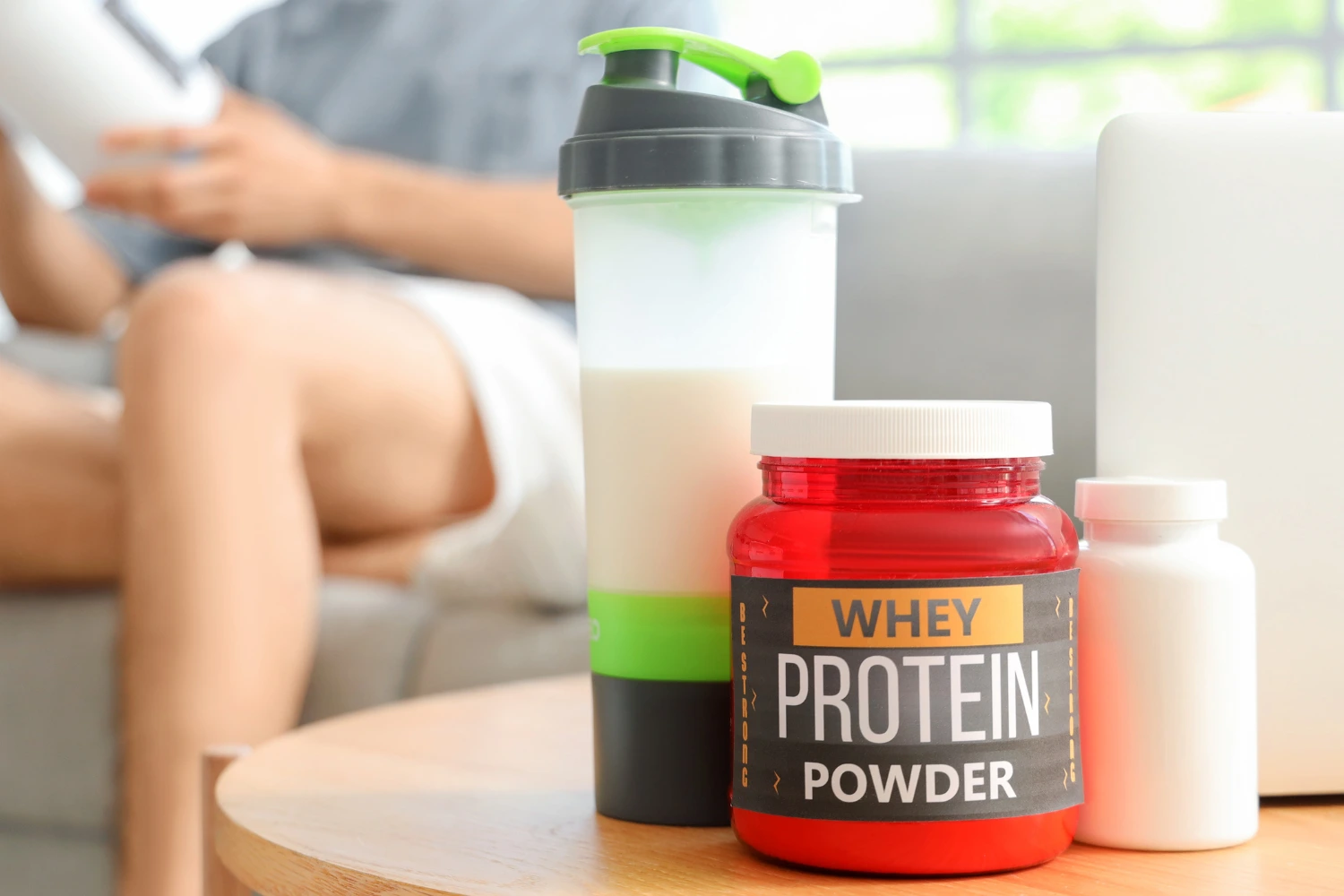
Testing acts as a firewall against environmental risks. Unlike sealed liquid shots or capsules, powders are often hygroscopic, meaning they absorb moisture from the air. If facility controls fail, this moisture can encourage invisible biological growth during production or storage. Lab testing detects these issues before the product ever leaves the facility.
Verifying Potency And Blend Homogeneity
Potency testing verifies that every serving delivers the same nutritional value stated on the label. In custom powder and custom supplement projects, a high degree of homogeneity is required because servings are scooped from bulk containers or stick packs rather than individually weighed.
Without testing, hot spots can occur where one customer receives too much caffeine, creatine, or a vitamin, while another receives too little. Testing confirms that the formula was blended precisely and delivers consistent label-claimed levels throughout the production run.
Preventing Recalls And Liability Risks
Testing helps prevent recalls by catching errors before products leave the facility. In powder supplement manufacturing, a single failure can affect thousands of units and damage customer satisfaction. Documentation, such as batch records and a Certificate of Analysis (COA), protects the manufacturer and the brand. Early detection reduces legal risk, protects suppliers, and preserves operational efficiency.

Mandatory Lab Tests For Powder Supplement Manufacturing
Mandatory lab tests can help confirm that powder supplements are safe, compliant, and consistent across all production runs. In modern supplement manufacturing, verbal assurances or marketing claims are not enough to protect consumers or brands. Founders must actively verify that every powder supplement manufacturer adheres to clearly defined checklist criteria at each stage of the manufacturing process, from raw materials through finished products.
Beyond safety, mandatory lab testing supports long-term consistency and operational control. As production scales, slight variations in suppliers, equipment calibration, or environmental conditions can affect quality. Routine, documented testing helps identify these shifts early and ensures corrective action is taken before products reach the market.
Gluten Testing For Cross-Contamination
Gluten testing is essential for any powder supplement making gluten-free claims. Powder manufacturing generates fine airborne dust, increasing the risk of cross-contamination between formulations and production runs. Even trace gluten from a previous batch can migrate into a new end product. Finished-batch testing confirms compliance and protects consumers seeking fewer additives and clean-label supplements.
For brands operating in regulated markets, documented gluten testing also supports label accuracy and reduces exposure to regulatory action, customer complaints, and product withdrawals tied to allergen mislabeling.
Microbiology Screening For Pathogens
Microbiology screening detects harmful bacteria, yeast, and mold in powders. Botanical blends, digestive health formulas, and whey- or plant-based protein powders may contain microbes in incoming raw materials. Pathogens such as Salmonella or E. coli pose serious health risks if not identified.
Testing every batch is one of the most reliable ways to reduce recall risk and help protect consumers. Consistent microbiology testing also verifies that sanitation controls, handling procedures, and environmental conditions remain effective throughout the manufacturing process.
Potency Testing For Label Verification
Potency testing confirms that active ingredients are present at approved levels. This is critical for supplement formulation, particularly when producing custom blends with premium ingredients. Powders can settle or mix unevenly if the blending process lacks control.
Testing helps verify that the formula delivers consistent nutrition from the first scoop to the last. It validates label accuracy, supports regulatory compliance, and mitigates the risk of customer complaints regarding under- or overdosing.
In-House Vs. Third-Party Labs: Which Do You Need?
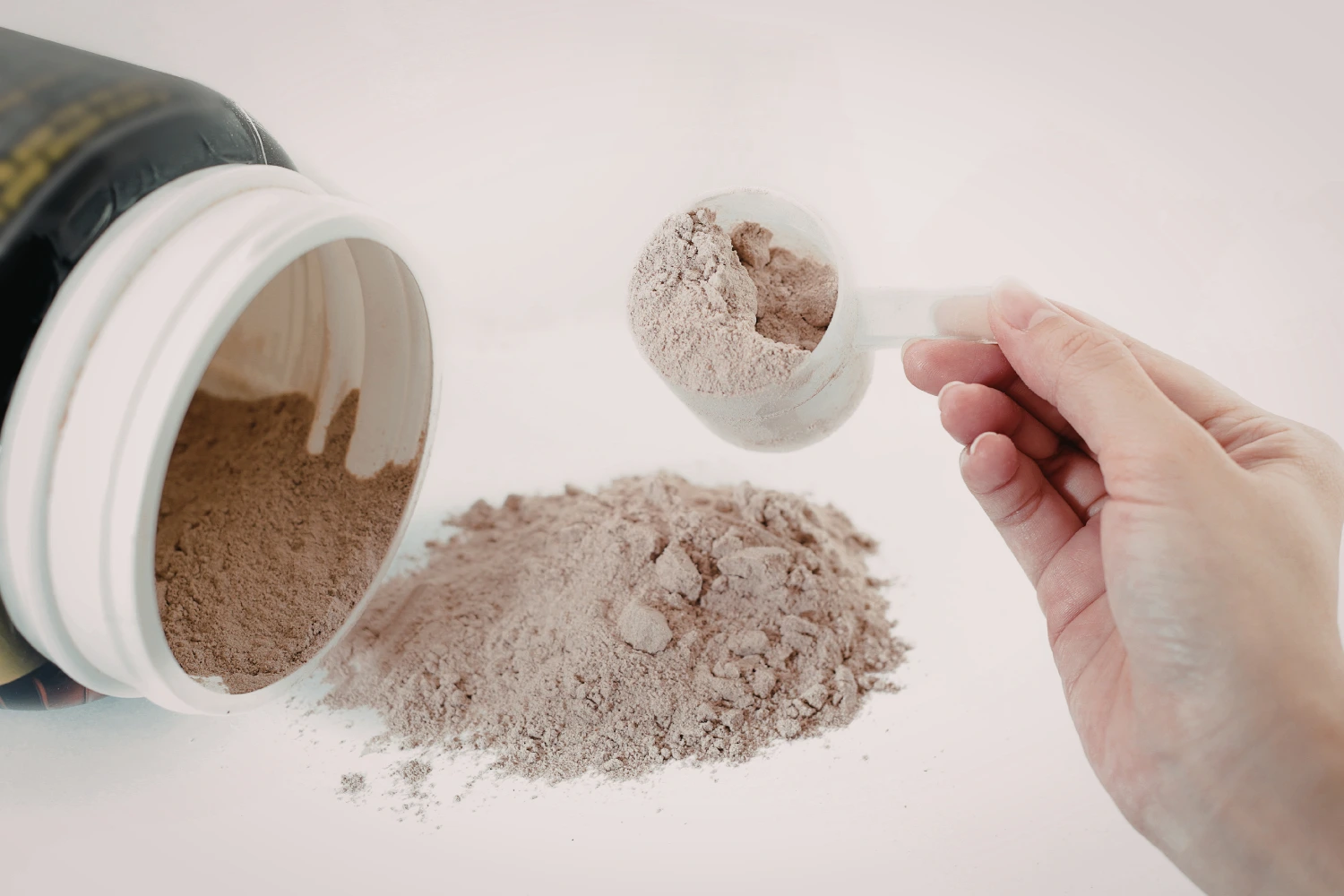
A robust quality system often uses both in-house and third-party labs. In-house labs provide speed, efficiency, and real-time checks during blending, filling, and packaging. Third-party labs provide independent validation and unbiased documentation for regulatory and consumer trust. The strongest powder supplement manufacturers use both as part of a complete turnkey solution.
| Feature | In-House Lab | Third-Party Lab |
|---|---|---|
| Primary Benefit | Speed and efficiency | Unbiased credibility |
| Best Use Case | Real-time production checks | Final Certificate of Analysis |
| Transparency | Internal process control | Independent validation |
What Are The Quality Control Red Flags To Watch For?
Quality control red flags signal elevated risk for any supplement business. Identifying these warning signs early protects your brand and your customers while preventing costly recalls.
Be wary of any manufacturer that exhibits these common gaps in capability:
- Irregular Testing: Testing that is sporadic rather than performed on every single batch.
- Missing Documentation: An inability to produce immediate, complete batch records or Certificates of Analysis (COAs).
- Refusal of Third-Party Validation: Unwillingness to send samples to independent labs for unbiased verification.
- Unclear Batch Traceability: No clear system linking finished products back to specific raw material lots.
- Inconsistent Supplier Records: Vague or missing details regarding the origin of raw ingredients.
- Undefined Testing Procedures: An inability to provide detailed, written Standard Operating Procedures (SOPs) for their lab tests.
- Resistance to Audits: A lack of transparency or a refusal to allow onsite inspections.
How Do You Audit A Manufacturer’s Testing Protocols?
Auditing testing protocols helps verify whether a manufacturer’s sales claims match their operational reality. Founders should take the following steps to reveal the manufacturer’s true expertise and discipline:
- Request Recent COAs: Ask for “blinded” Certificates of Analysis from the last three months to verify that testing is consistent and recent.
- Verify Testing Frequency: Confirm that testing occurs at every stage: incoming raw materials, in-process blending, and finished goods.
- Review Lab Methods: Ask for specific details on the methodologies used (e.g., HPLC, ICP-MS) to ensure they are appropriate for your specific ingredients.
- Check Regulatory Alignment: Confirm their protocols meet or exceed FDA (21 CFR Part 111) or NSF/ANSI 173 requirements for dietary supplements.
- Identify Operational Gaps: Use the audit to spot potential weaknesses in documentation, employee training, or equipment maintenance that could degrade quality over time.

Why Verified Quality Is Your Brand’s Best Insurance
Verified quality is one of the strongest forms of insurance in powder supplement manufacturing. Strong quality control protects consumers, supports compliance, and enables long-term market success. Manufacturers that focus on gluten, microbiology, and potency testing are better positioned to deliver high-quality products with consistency and trust.
If you want help with lab auditing, selecting a trusted partner, or requesting a free quote, InventoryReady provides solutions that help brands manufacture, produce, and scale supplements with confidence and fast turnaround times.
Frequently Asked Questions
Why is gluten testing critical in powder supplement manufacturing?
Powder manufacturing facilities often handle multiple ingredients; without rigorous testing, airborne cross-contamination may compromise “Gluten-Free” products and pose risks to customers with sensitivities.
What is the difference between in-house and third-party testing?
In-house testing offers speed and immediate feedback during production, while third-party testing provides unbiased, independent validation of safety and potency.
What is a Certificate of Analysis (COA)?
A COA is a document verifying that a specific batch of product has undergone testing and meets defined safety, purity, and potency specifications.
Why is potency testing important for supplement powders?
It verifies that the active ingredients are evenly distributed throughout the powder blend (homogeneity), helping ensure the customer gets the correct dosage in every scoop.
What should I do if a manufacturer refuses to share their testing records?
This is a major red flag indicating a lack of transparency; you should avoid partnering with them as it suggests potential compliance or quality issues.
References
- Adefrash K, Sharew B, Amare W, Shibabaw A. Bacterial foodborne illness and Escherichia coli O157:H7 strain infection among asymptomatic food handlers in Northeast Ethiopia: Implication for hygienic practices and mass-screening. Health Sci Rep. 2024 Jun 18;7(6):e2199. doi: 10.1002/hsr2.2199. PMID: 38895551; PMCID: PMC11183919.
- Harvard T.H. Chan School of Public Health. (2024, July 19). Dietary supplements. The Nutrition Source. https://nutritionsource.hsph.harvard.edu/dietary-supplements/
- Olicón-Hernández DR, Guerra-Sánchez G, Porta CJ, Santoyo-Tepole F, Hernández-Cortez C, Tapia-García EY, Chávez-Camarillo GM. Fundaments and Concepts on Screening of Microorganisms for Biotechnological Applications. Mini Review. Curr Microbiol. 2022 Oct 27;79(12):373. doi: 10.1007/s00284-022-03082-2. PMID: 36302918; PMCID: PMC9612613.
- Osorio CE, Mejías JH, Rustgi S. Gluten Detection Methods and Their Critical Role in Assuring Safe Diets for Celiac Patients. Nutrients. 2019 Dec 2;11(12):2920. doi: 10.3390/nu11122920. PMID: 31810336; PMCID: PMC6949940.
- UAB St. Vincent’s. (n.d.). Nutritional supplement powders: What you need to know. UAB St. Vincent’s. https://uabstvincents.org/news/nutritional-supplement-powders-what-you-need-to-know/
- United States Pharmacopeia. (n.d.). USP verified mark. U.S. Pharmacopeia (USP). https://www.usp.org/verification-services/verified-mark