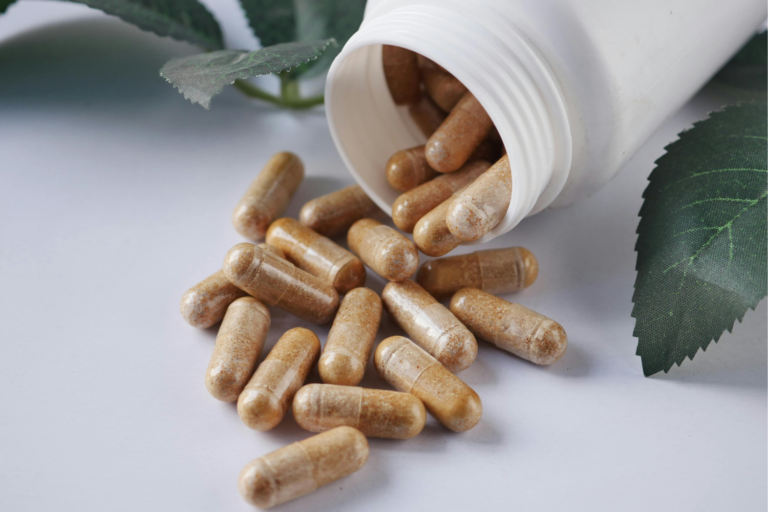
Choosing the right liquid dietary supplement manufacturer starts with protecting your brand, not just comparing capabilities. Liquid supplements are popular because they’re easy to take and fit into on-the-go routines without pills or capsules. However, the wrong partner can risk quality, shelf life, and regulatory compliance, slowing brand growth.
Inventory Ready helps founders make safe, informed choices through pre-qualification criteria.
What Makes A Good Liquid Dietary Supplement Manufacturer?
A good liquid supplement manufacturer combines proven experience, documented quality systems, and operational flexibility that support consistent product quality and long-term brand growth. Founders should look beyond marketing claims and focus on the foundational criteria that separate reliable manufacturing partners from higher-risk options in the supplement industry.
What Are The Capabilities For Liquid Supplement Products?
A capable liquid supplement manufacturer supports the full liquid production process, from formulation through finished products, while maintaining quality standards and shelf stability. At a minimum, founders should expect support for the following:
- Custom formulation: Ability to develop custom liquid formulas using formats such as herbal extracts, amino acids, and liquid vitamins, including complex formulations and premium ingredients.
- Flavoring: Custom flavor development to create consumer-friendly liquid supplements without relying on pills or capsules.
- Stability testing: Shelf-life and shelf-stability testing to confirm liquid formulations remain stable over time and meet safety expectations.
- Packaging and filling options: Multiple bottle sizes, packaging formats, and filling capabilities suitable for private-label launches or scalable production.
- Ingredient sourcing: Transparent ingredient sourcing that supports non-GMO options, premium inputs, and consistent product quality.
Why Do Certifications Matter In Supplement Production?
Certifications matter because they indicate that a liquid dietary supplement manufacturer follows documented quality assurance systems rather than informal or undocumented processes. They help protect your brand by signaling that manufacturing, labeling, packaging, and quality control align with established industry standards. Founders should look for:
- cGMP: Current Good Manufacturing Practices
- NSF: NSF International
- ISO: International Organization for Standardization
- FDA: U.S. Food and Drug Administration (facility registration, not product approval)
While certifications are not guarantees, they reduce risk and help founders identify manufacturers committed to consistent quality and regulatory alignment.

How Do You Pre-Qualify A Liquid Supplement Manufacturer?
Pre-qualification helps founders eliminate poor-fit manufacturers early by checking non-negotiable criteria before investing time in formulation, pricing, or samples. This step focuses on regulatory readiness, operational stability, and transparency rather than promises or sales language.
Which Regulatory Standards Matter Most First?
Before moving forward with any liquid supplement manufacturer, founders should confirm baseline regulatory and quality standards that protect product safety and brand credibility:
- FDA-registered facility status
- Current cGMP compliance
- Relevant quality certifications, such as NSF or ISO
- Clear documentation showing the manufacturer meets regulatory requirements
- Established quality assurance and rigorous testing protocols
How Much Business Experience Should A Manufacturer Have?
Many founders look for manufacturers with several years of consistent experience in liquid supplement manufacturing to demonstrate operational stability and industry knowledge. This level of expertise helps ensure the manufacturer understands real-world challenges like shelf life, scalable production, regulatory changes, and quality control across diverse liquid formulations.
What Should You Look For In Ownership Reputation?
Ownership stability and reputation offer insight into whether a manufacturer can be a long-term, reliable partner for supplement brands. When evaluating these factors, founders should look for:
- Transparent ownership with clear leadership and decision-makers
- Online reputation supported by reviews on platforms like Google and Glassdoor
- Stable leadership with minimal ownership changes that could disrupt manufacturing or quality standards
What Documents To Request During Pre-Qualification?
Requesting documentation early helps founders confirm product quality, compliance, and transparency before committing to a contract manufacturing relationship. A responsible liquid dietary supplement manufacturer should be willing to provide:
- Certifications and quality standards documentation
- Facility details, including manufacturing and packaging areas
- Compliance records related to regulatory requirements
- Product recall history, if applicable
- Virtual or on-site tour availability to demonstrate transparency

What Are The Red Flags That Disqualify A Manufacturer?
Before moving forward with a manufacturer, founders should be able to quickly spot whether a partner operates with transparency and discipline, or relies on shortcuts that increase risk. The table below highlights clear green flags to look for and red flags that should prompt deeper scrutiny or disqualification.
Manufacturer Green Flags vs Red Flags
| Area | Green Flag (Lower Risk) | Red Flag (Higher Risk) |
|---|---|---|
| Regulatory Compliance | Verifiable cGMP certification and FDA registration | Missing, unverifiable, or outdated compliance claims |
| Regulatory History | Past issues disclosed with documented corrective actions | Repeated violations or recalls without a clear resolution |
| Documentation | Provides COAs, SOPs, and testing records promptly | Hesitant, delayed, or incomplete paperwork |
| Facility Access | Open to virtual or on-site facility tours | Refuses any facility access |
| Quality & Testing | Clearly explains QA systems and stability testing | Vague or inconsistent answers about quality controls |
| Manufacturing Timelines | Realistic timelines measured in weeks to months | Promises “rush” or instant production |
| MOQs & Pricing | Market-standard MOQs with transparent pricing | Extremely low MOQs or pricing that feels too good to be true |
| Process Transparency | Clear manufacturing flow and ingredient sourcing | No documented process or unclear sourcing |
How Founders Should Use This Table
Green flags indicate a manufacturer with mature systems and accountability. Red flags often point to weak quality controls, poor oversight, or undisclosed risks. One red flag may warrant deeper due diligence, but multiple red flags usually signal it’s safer to walk away.
How Do You Compare Liquid Manufacturers Side-By-Side?
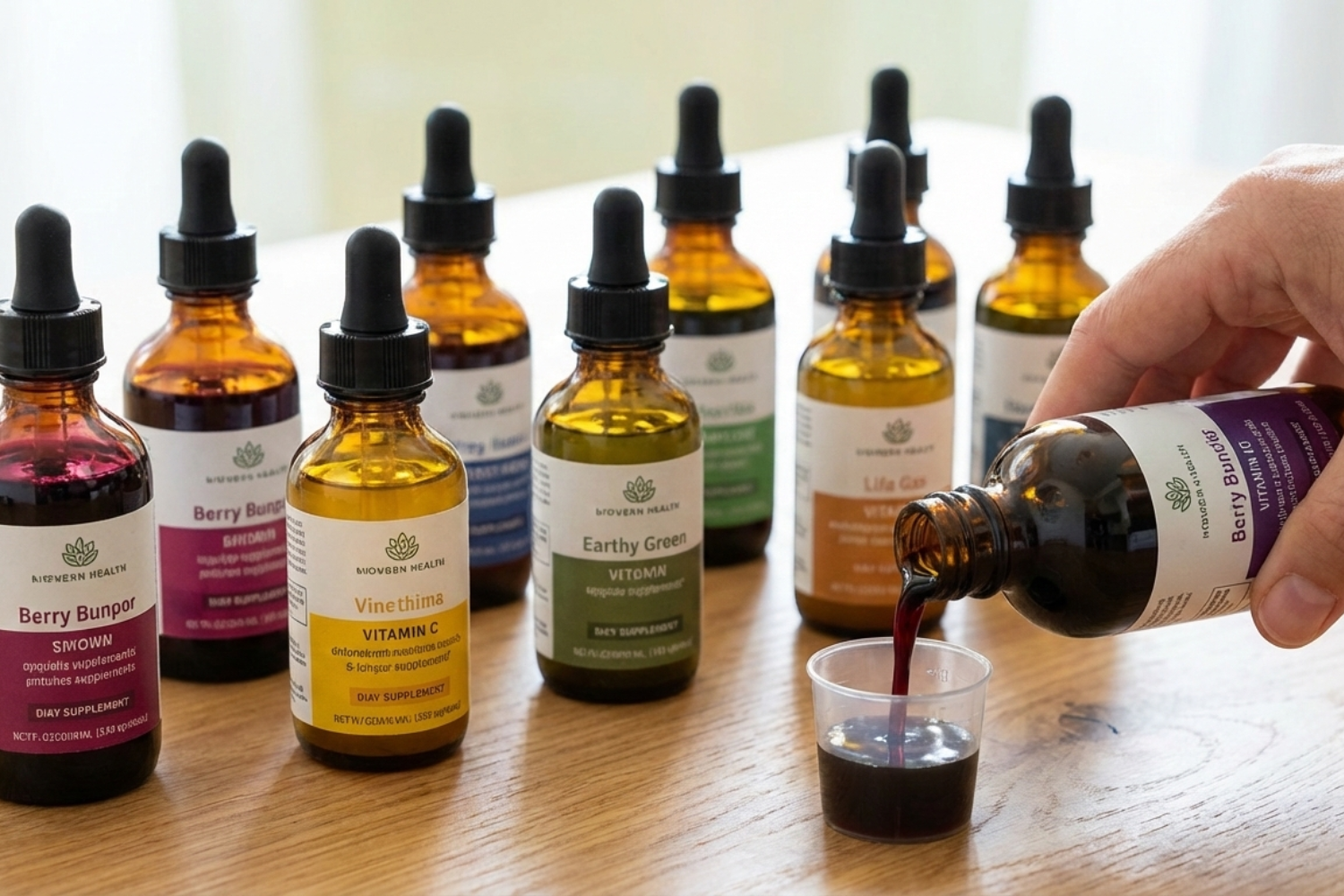
The most effective way to compare liquid supplement manufacturers is to evaluate each one using the same questions and proof points. This side-by-side framework shows founders exactly what to review, what to ask for, and how differences between manufacturers typically appear.
Side-By-Side Manufacturer Comparison Framework
| Comparison Area | What to Ask or Review | Strong Manufacturer Looks Like | Weak or Risky Signs |
|---|---|---|---|
| Quality Assurance & Testing | What testing is performed on raw ingredients and finished products? Can you provide recent COAs? | In-house QA team, third-party testing, documented COAs | Vague answers, testing “on request,” limited documentation |
| Regulatory & Certifications | Which certifications does the facility hold (cGMP, NSF, FDA registration)? | Multiple current certifications, audit-ready documentation | Certifications unclear or not disclosed |
| Ingredient Sourcing | Where are ingredients sourced and how is traceability handled? | Fully traceable suppliers with sourcing documentation | Ingredient origins unclear or undisclosed |
| Formulation Support | Do you offer custom formulation, stability testing, and reformulation support? | R&D team involved, guidance throughout development | White-label only, limited technical support |
| Flavor Development | How is flavor testing handled for liquid products? | Structured flavor trials and iteration support | Minimal or no flavor testing process |
| Viscosity & Stability | How do you manage viscosity, preservatives, and shelf stability? | Clear approach to stabilizers and shelf-life validation | No defined stability or viscosity process |
| Minimum Order Quantities (MOQs) | What are the starting MOQs and how do they change as volume grows? | Reasonable entry MOQs with scalable tiers | High MOQs with no flexibility |
| Lead Times | What are current production and fulfillment timelines? | Predictable, documented lead times | Long or inconsistent timelines |
| Production Capacity | Can production scale as demand increases? | Supports pilot runs through full-scale production | Limited capacity or bottlenecks |
| Packaging Options | What liquid packaging formats are available? | Multiple formats (bottles, droppers, custom options) | Very limited packaging choices |
What Should You Prepare Before Contacting A Manufacturer?
Prepare a clear product vision that includes your target customer, preferred liquid formats, key ingredients, and the main benefits you want to communicate, without making medical claims. You should also gather basic formula ideas, brand guidelines, packaging preferences (e.g., bottle sizes and labeling), and your expected MOQ and timeline so the manufacturer can assess fit and provide an accurate quote.
A Clear Product Vision and Defined Target Audience
Defining your product vision means outlining who the product is for, which liquid formats you plan to use, and the key ingredients, without making medical or regulatory claims. This clarity helps manufacturers assess feasibility and alignment.
Comprehensive Paperwork Covering Formula, Branding, and Logistics
Before reaching out to a liquid supplement manufacturer, founders should organize basic information that supports efficient discussions and accurate quotes:
- Basic formula ideas or ingredient directions
- Brand guidelines and brand identity preferences
- Packaging preferences, including bottle sizes and labeling
- MOQ expectations aligned with budget and market goals

Final Checks For A Liquid Supplement Manufacturer
Choosing a liquid supplement manufacturer is more than picking a provider. Your manufacturer affects product quality, shelf life, safety, and how your brand is perceived in the market. Confirming regulatory requirements, quality certifications, and a transparent manufacturing process early helps founders make informed decisions before committing to contract manufacturing.
Clear criteria, along with early red flags such as weak transparency or missing documentation, help founders avoid costly mistakes. Thoughtful due diligence, direct questions, and documented proof points make it easier to choose a manufacturing partner that aligns with your brand’s needs as you grow.
Frequently Asked Questions
How can I determine whether a liquid supplement manufacturer is trustworthy?
A trustworthy liquid supplement manufacturer can demonstrate clear certifications, compliance records, test results, and facility access, not just sales claims.
What certifications matter most for liquid supplement production?
Look for cGMP first, then quality certifications like NSF or ISO, since these signal stronger quality assurance and consistent standards.
What’s the typical MOQ for liquid supplements?
MOQs vary by formula, packaging, and production setup, but many liquid supplements typically start at a higher MOQ than pills due to batching, filling, and shelf-stability requirements.
How long does liquid supplement manufacturing usually take?
Timelines depend on formulation, ingredient sourcing, testing, and packaging, but most projects take several weeks to a few months from approval to finished liquid products.
Should beginners choose stock formulas or custom liquid formulations?
Stock formulas can be faster and lower risk, while custom liquid formulations help differentiate your brand when you’re ready for more complex formulation work.
References
- Harvard T.H. Chan School of Public Health. (2024, July 19). Dietary supplements. The Nutrition Source. https://nutritionsource.hsph.harvard.edu/dietary-supplements/
- International Organization for Standardization. (n.d.). Certification. Retrieved December 19, 2025, from https://www.iso.org/certification.html
- National Institutes of Health, Office of Dietary Supplements. (2023, January 4). Dietary supplements: What you need to know (Fact sheet for consumers). Retrieved December 19, 2025, from https://ods.od.nih.gov/factsheets/WYNTK-Consumer/
- NSF. (n.d.). Certification. Retrieved December 19, 2025, from https://www.nsf.org/certification
- NSF. (n.d.). Dietary supplements and nutritional products. Retrieved December 19, 2025, from https://www.nsf.org/nutrition-wellness/dietary-supplements-nutritional-products
- U.S. Pharmacopeia. (n.d.). USP Verified Mark. Retrieved December 19, 2025, from https://www.usp.org/verification-services/verified-mark