Learning how to start a supplement company can feel overwhelming because you must juggle strict rules, ingredient choices, and the pressure of standing out in a fast-growing wellness industry. Many new founders begin with enthusiasm, then quickly realize they are making decisions that influence everything from regulatory compliance to product quality. It is normal to feel unsure about the first move.
You do not need a scientific background to create a trustworthy supplement brand. What you need is a practical plan, steady expectations, and a commitment to quality. When the path is broken into simple steps, each decision becomes easier and far less stressful.
A basic understanding of supplement manufacturing, labeling requirements, and ingredient selection gives you a useful foundation. These early choices guide your marketing strategies, packaging direction, and long-term growth. With a clear structure, your supplement business can serve your target audience and grow in a steady, sustainable way.
What Should You Know Before Starting a Supplement Company?
Before investing in dietary supplements or building your own supplement business, it helps to understand how the supplements market behaves and what customers actually buy. Most successful founders take time to study the competition and the budget demands of their business plan. This preparation leads to better decisions later.
Is the supplement market still a good opportunity?
The supplement market continues to offer strong opportunities because consumer demand for high-quality health products remains high. People are shopping online for trusted supplement brands and exploring options for gut health, protein powders, and functional blends. Growth across the global dietary supplements market shows there is still space for new businesses that focus on compliance and a clear niche.
How do you choose the right niche without guessing?
You can identify the right niche by looking closely at what potential customers already value. Competitor reviews, pricing, supplement packaging, and formulas reveal gaps you can fill. This approach helps you avoid guessing and build a supplement business that speaks directly to your target audience.
What budget range makes sense for different business models?
Your budget should align with the type of supplement company you want to create. Smaller budgets often work well for private-label supplements because minimum order quantities are manageable. A mid-range budget allows you to develop your own line with varied supplement formats and consistent branding. Larger budgets support custom product development and expanded marketing efforts as the business grows.

How Do You Choose the Right Product and Formula?
Choosing the right ingredients and supplement formats shapes the direction of your supplement brand. Decisions made at this stage affect your finished product, the production process, and your marketing efforts. A careful approach helps you stay within regulatory approval and avoid unnecessary risks.
Should you start with private label or custom formulation?
Private label products are often the simplest way to enter the supplement industry because they are cost-effective and offer a faster market launch. Custom formulation provides a unique supplement product but usually requires more time, higher prices, and careful planning. Many founders begin with private-label products and shift to custom development after learning what their ideal customer prefers.
How do you pick safe, realistic ingredients?
Safe ingredients come from research, not hype. Look for clean sourcing, reasonable dosages, and stability within your chosen supplement format. This approach helps your own supplements stay aligned with FDA regulations and keeps product costs under control.
What should first-time founders avoid when developing formulas?
First-time founders sometimes create formulas that are too complicated or built around trends. Untested ingredient combinations or very high doses can cause problems during supplement manufacturing. A focused formula built on clear benefits protects both your supplement product and your reputation.

What Do You Need to Know About Manufacturing?
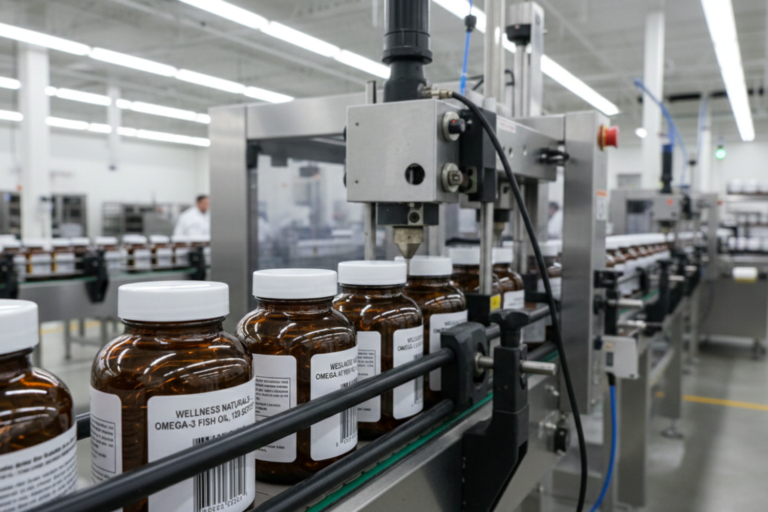
Manufacturing is a critical part of learning how to start a supplement company. The partner you choose affects safety, consistency, and your overall market launch. Good pre-qualification checks protect the integrity of your supplement brand and reduce long-term risk.
What pre-qualification checks should every founder use?
Every founder should confirm Food and Drug Administration (FDA) registration, Good Manufacturing Practices (cGMP) compliance, and at least five years of experience in the supplement industry. A clean regulatory record, certifications such as NSF or ISO, and transparent ownership also matter. Access to the facility, either virtual or in person, helps verify that the co-packer is reliable.
What are the red flags when choosing a manufacturer?
Some manufacturers seem dependable at first, but certain signs suggest deeper issues. Red flags include:
- Opaque ownership
- No certifications
- No facility tours
- Recalls or FDA warnings
- Constant staff turnover
How do you compare manufacturers without wasting time?
You can compare supplement manufacturers quickly by focusing on the essentials. A short checklist usually includes:
- Initial documentation review
- Compliance checks
- Requesting references
- Sample production run expectations
This helps you narrow down your options and avoid unnecessary risk.

What Affects Supplement MOQs and Production Costs?
Minimum order quantities (MOQs) influence how quickly you can launch and how much you need to invest at the start. Knowing realistic ranges helps you plan your first run and manage expectations. These details also shape how your supplement business adjusts as new customers arrive.
How do MOQs affect your first launch?
MOQs represent the minimum amount you must purchase from a supplement manufacturer. Smaller quantities allow for flexibility and testing, while larger quantities lower product costs but increase upfront spending. Many private label supplements fall in the middle range, which feels safe for new businesses.
What is a normal lead time for supplements?
Lead times often range from six to twelve weeks, depending on the supplement format, ingredient availability, and packaging needs. Raw material shortages and label design changes can cause delays. Sudden timeline shifts may signal deeper issues, which is why communication is important.
How much should you expect to spend on your first order?
Costs vary depending on the product, packaging, and the scale of your own supplement business. Basic private label supplements may cost a few thousand dollars, while a custom formulation usually requires a higher budget. These ranges help you plan without guaranteeing specific financial outcomes.

What About Branding, Packaging, and Label Requirements?
Branding and supplement packaging build trust with potential customers. Strong labels help you follow FDA labeling requirements and support your marketing strategies. Consistent branding also helps you build brand recognition early in your journey.
What makes supplement branding effective for beginners?
Effective branding avoids clutter and highlights a clear message. Clean visuals, simple claims, and colors that appeal to health-conscious customers can make your supplement brand more recognizable. Consistency across your website and online shopping platforms supports long-term growth.
What should go on a supplement label?
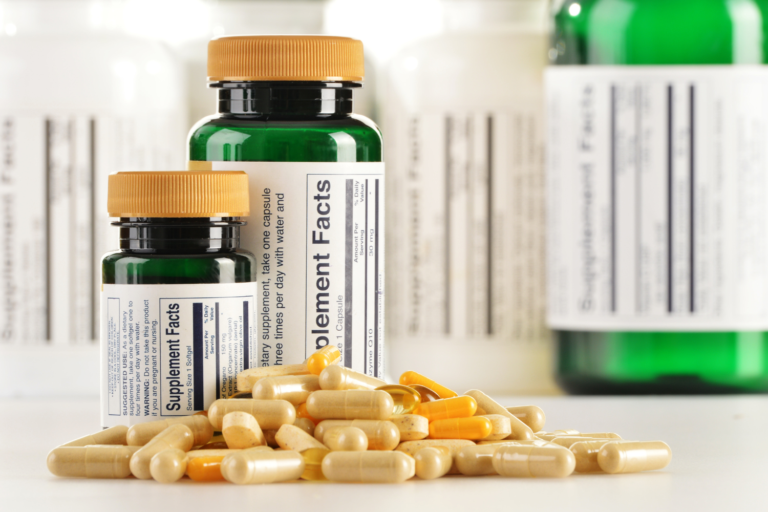
A supplement label must include serving size, supplement facts, ingredient lists, and manufacturer details as required by FDA regulations. Labels should use structure or function claims and avoid medical claims. Careful label design helps you avoid delays and supports regulatory compliance.
How do you choose packaging that matches your product?
Packaging should protect your supplement product and satisfy customer expectations. Bottles are often used for capsules and protein powders, while pouches work well for certain supplement formats. Durable packaging also keeps your finished product safe during e-commerce fulfillment.
How Do You Set Up Operations and Prepare for Launch?
Operations planning determines how you sell, ship, and promote your supplement product. Taking time to organize these details helps you reach the right audience and build momentum during your market launch. A clear system also keeps your supplement business steady as interest grows.
Which sales channels fit your business model?
Sales channels vary depending on where your target audience prefers to shop and how you plan to sell supplements. Many founders explore:
- Amazon
- Shopify
- Retail partners
- Subscription plans
Each option offers different opportunities for customer feedback and long-term success.
What logistics decisions matter early?
Early logistics choices around fulfillment, shipping, and inventory planning help you manage product costs and prevent stockouts. Reliable logistics also help your supplement brand maintain trust as more consumers discover your products.
How do you plan a smooth first launch?
A smooth launch depends on steady communication with your supplement manufacturer and a clear plan for each step. Founders often rely on:
- A realistic timeline
- Simple checklists
- Regular updates with the manufacturing team
These steps reduce last-minute issues and keep your launch organized.

Common Mistakes New Supplement Founders Make
Some problems can be avoided with more patience and attention to detail. Rushing through key steps can affect product safety, customer trust, and long-term growth. Staying aware of common pitfalls helps your supplement brand stay competitive.
Common mistakes include:
- Choosing the wrong manufacturer
- Rushing labeling
- Ignoring MOQs
- Overspending on branding first
- Not checking regulatory history
- Skipping the sampling phase
Strong Next Steps for New Supplement Founders
Starting a supplement company becomes much easier with a focus on safety, quality, and thoughtful planning. Pre-qualification checks, a reliable supplement manufacturing partner, and simple formulas set the stage for a confident market launch. With steady choices and a strong foundation, your supplement brand can grow at a pace that feels stable and sustainable.
Frequently Asked Questions
How much does it cost to start a supplement company?
Starting costs usually range from a few thousand dollars for private-label products to higher investments for custom product development.
Do I need a license to sell supplements?
A special license is not required, but you must follow FDA regulations and meet all labeling and manufacturing rules.
Should I choose private label or custom formulation first?
Private label supplements are often the easiest starting point because they cost less and launch faster.
How do I find a trustworthy supplement manufacturer?
Look for FDA registration, cGMP compliance, certifications, and ownership transparency.
How long does it take to launch a supplement product?
Most products take six to twelve weeks, depending on ingredient availability, production steps, and packaging readiness.
References
- U.S. Food and Drug Administration. (2013). A Food Labeling Guide. https://www.fda.gov/files/food/published/Food-Labeling-Guide-%28PDF%29.pdf
- U.S. Food and Drug Administration. (2024, April 24). Current Good Manufacturing Practices (CGMPs) for Food and Dietary Supplements. https://www.fda.gov/food/guidance-regulation-food-and-dietary-supplements/current-good-manufacturing-practices-cgmps-food-and-dietary-supplements
- U.S. Food and Drug Administration. (2025, March 11). Registration and Listing. https://www.fda.gov/industry/fda-basics-industry/registration-and-listing