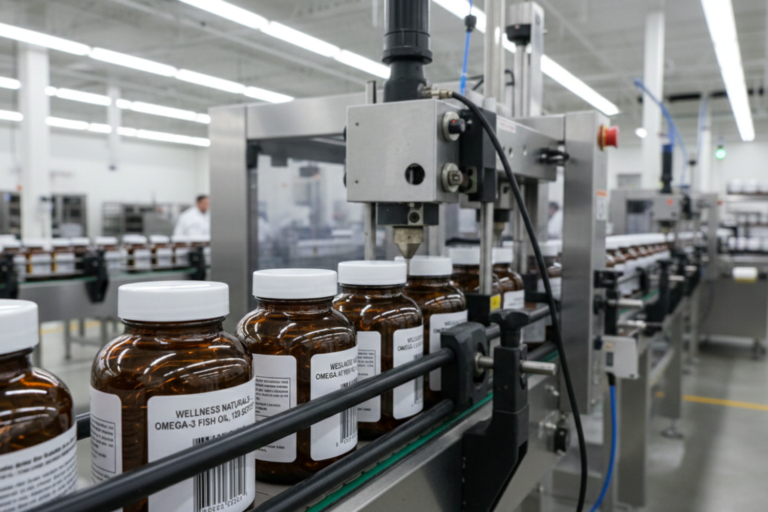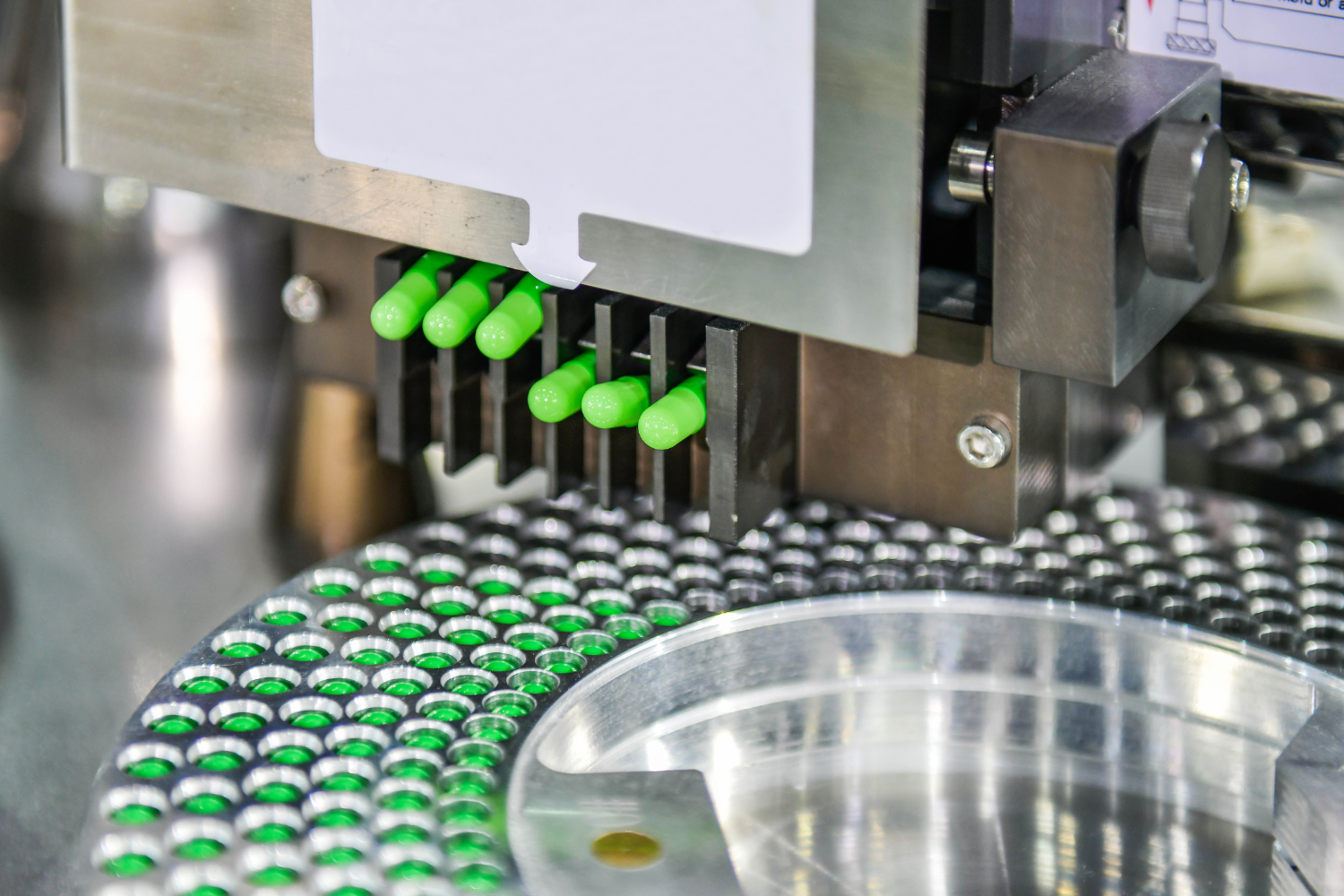
Choosing the right capsule manufacturer is one of the most important decisions a supplement brand makes because it affects product quality, supply reliability, and long-term trust. In the dietary supplement space, a manufacturing partner is foundational to the production, testing, and delivery of capsule products to market.
This article explains how to evaluate whether a manufacturing partner has the stability, systems, and experience needed for long-term success, using the Inventory Ready framework rather than relying on price alone. While low cost may appear attractive at first, lasting value comes from a company that can stay consistent through changing market conditions.
Why Business Tenure Predicts Future Reliability
Manufacturers with longer operating histories are more reliable because they deliver consistent production and quality in supplement manufacturing. An experienced capsule manufacturer can manage raw materials, dosage requirements, and the full manufacturing process. They can protect sensitive ingredients and support consistent capsule performance when formulations are designed for specific release conditions.
Minimum of Five Years in Operation
A minimum of five years in operation suggests that a manufacturer has navigated multiple market cycles, regulatory updates, and changing materials costs. That period suggests the team can manage long-term production and support capsule stability when formulations and storage conditions are properly controlled. It also signals the ability to support a growing supplement line with capsule size options to meet evolving needs.
Financial Ability to Absorb Market Fluctuations
Financial strength allows a manufacturer to maintain competitive pricing without reducing investment in testing or premium ingredients. Stable companies can continue to offer competitive pricing even when raw material costs rise or supply chains tighten. This helps reduce the risk of sudden cost changes or delivery disruptions.
Refined Processes for Regulatory Audits
Manufacturers that have operated for many years have experienced multiple inspections from the Food and Drug Administration (FDA) and similar agencies. These reviews encourage stronger testing, quality, and safety systems over time. Over time, this leads to more reliable formulation and manufacturing controls, helping reduce operational risk.
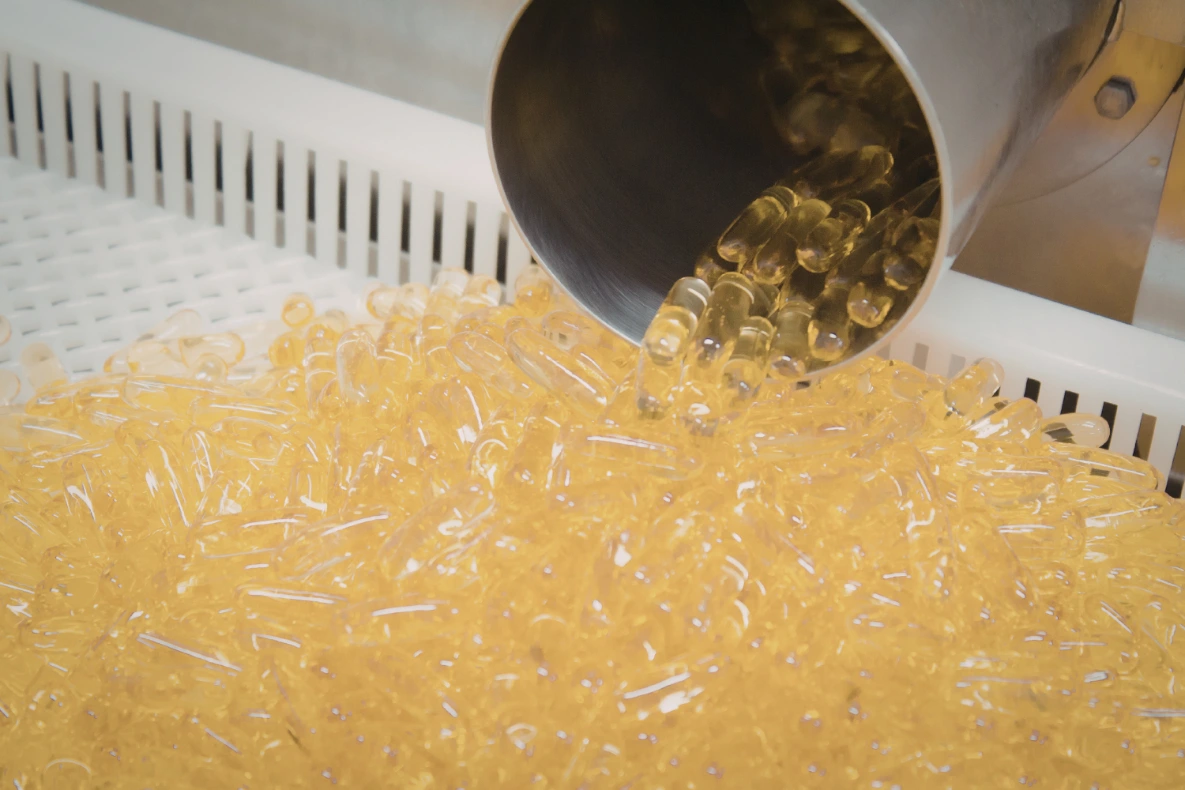
How Ownership Structure Influences Strategic Focus
Ownership structure influences whether a manufacturer prioritizes long-term stability or short-term financial returns. Privately owned manufacturers often emphasize relationship continuity and consistent production, while larger or investment-backed firms may focus more on shorter financial time horizons.
Private Ownership Prioritizing Relationship Longevity
Privately owned companies typically prioritize long-term partnerships over short-term returns. This approach makes it easier to support custom capsule projects and changing dosage requirements. That stability improves planning, makes production more predictable, and strengthens trust between the manufacturer and the brand.
Protection From Disruptive Corporate Restructuring
Large corporations may acquire, divest, or merge facilities, disrupting manufacturing and delivery. Smaller ownership groups often maintain more consistent operations, which can reduce disruption risk for a supplement line. That continuity supports steady capsule products and dependable service without unexpected process or staffing changes.
Streamlined Decision-Making for Client Needs
When leadership is closely involved in daily operations, adjustments to formulation, capsule filling, or packaging can be made more quickly. This flexibility keeps capsules aligned with market demand. It also helps maintain proper handling of sensitive ingredients during production by reducing delays between decision and execution.
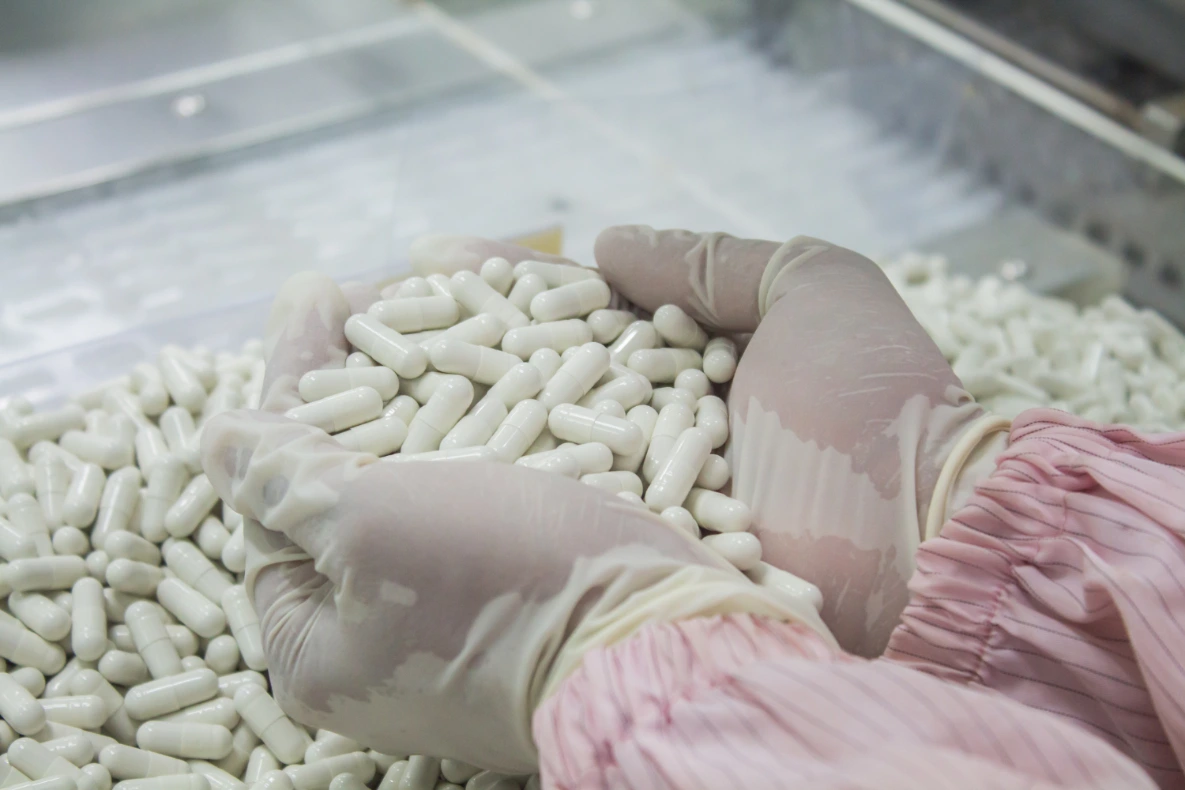
What Legal Records Reveal About Operational Integrity
A manufacturer’s legal and regulatory history shows whether it consistently meets industry standards and operates responsibly. Reviewing compliance records helps confirm a commitment to testing, quality, and safety. Manufacturers that invest in rigorous testing, raw material verification, and clear documentation are more likely to deliver consistent products.
Absence of Recent FDA Warning Letters
No recent FDA warning letters suggest the company generally follows good manufacturing practice (GMP) requirements. GMP supports strong controls over materials, production, and testing. These systems help mitigate risks associated with cross-contamination and labeling errors while supporting consistent quality across production runs.
Clean History Regarding Product Recalls
A limited recall history suggests the manufacturing process is generally well managed. It also reflects careful quality checks before capsule products are released to the market. This helps maintain stable operations and consumer confidence by reducing the likelihood of supply disruptions.
Transparency With Third-Party Certification Documents
Third-party audits confirm that a facility meets recognized industry standards. Open access to these reports shows accountability and operational pride. It also allows brands to verify compliance with established manufacturing requirements without relying solely on marketing claims.

Does Leadership Expertise Impact Manufacturing Consistency?
Leadership expertise influences manufacturing consistency by shaping quality control, compliance, and production standards. Leaders with science or health backgrounds understand capsule formulation, dosage requirements, and ingredient behavior, supporting more consistent capsule supplements and informed investment in process improvements.
Executives With Science or Health Backgrounds
Leaders trained in science or health fields understand how gelatin and vegetarian capsules are designed to enclose ingredients. They are more likely to understand how capsule design and formulation influence release behavior. This supports more informed product formulations.
Dedication to Rigorous Quality Control Standards
Experienced leaders prioritize rigorous testing at every stage of production. These controls support shelf life and consistent product quality. They also help reduce the risk of cross-contamination.
Stability in Senior Management Roles
Low leadership turnover supports steady manufacturing capabilities and smoother delivery. It also helps maintain continuity in client relationships. This consistency supports long-term partnerships.
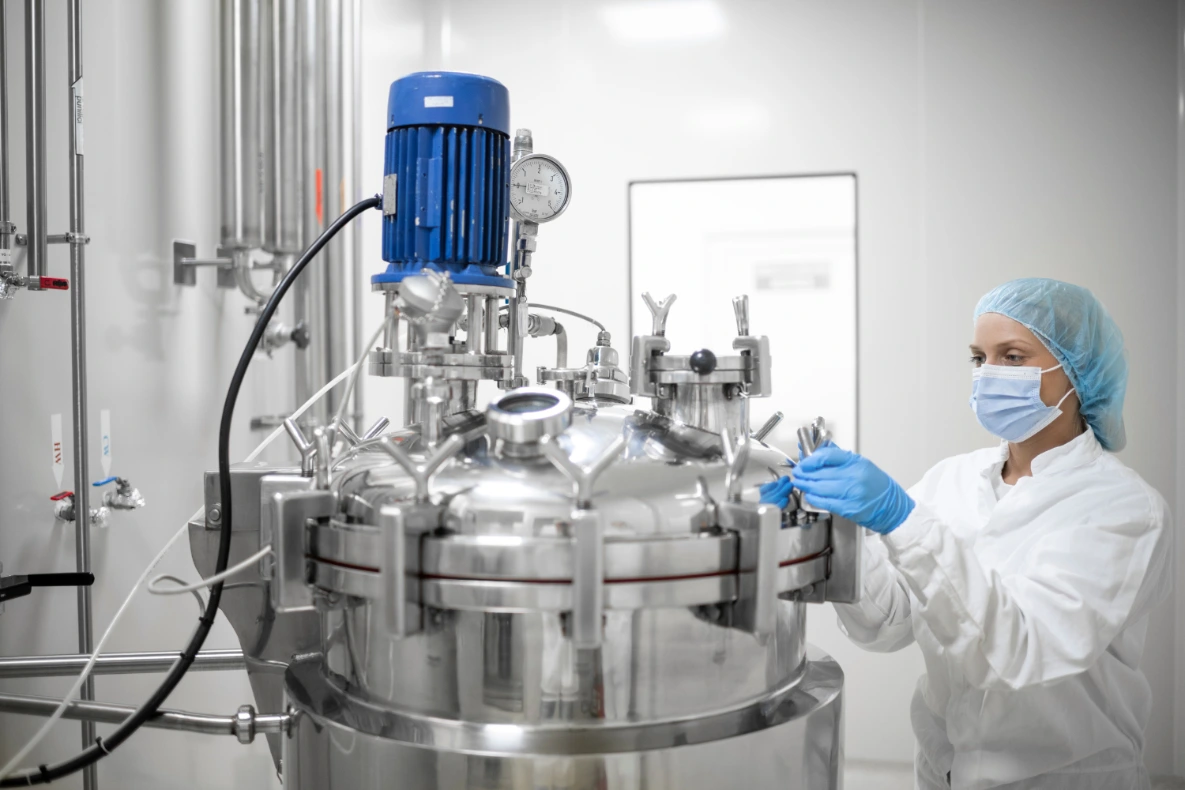
Key Indicators of a Reputable Capsule Manufacturer
The following signs help identify a manufacturer that values openness and operational reliability:
- High employee satisfaction ratings on review platforms
- Willingness to provide virtual or on-site facility tours
- Consistent engagement with customer feedback online
- Open access to recent quality assurance and testing protocols
These indicators show respect for customers, commitment to quality, and confidence in manufacturing practices.
Why Financial Terms Reflect Operational Health
Financial terms reflect operational health because transparent pricing, fair payment structures, and clear contracts signal strong planning and financial stability. In supplement manufacturing, these practices reduce unexpected costs, support predictable production schedules, and allow manufacturers to maintain quality without cutting investment in testing or materials.
Consistent Pricing Structures Without Sudden Hikes
Stable pricing allows brands to budget accurately for production runs. It often reflects organized supply chains and disciplined cost management. This supports a more reliable market presence by reducing cost-related disruptions and unexpected margin pressure.
Reasonable Down Payment Requirements
Reasonable deposit requirements support predictable cash flow and production planning. They also show confidence in operational planning. This keeps manufacturing processes steady while avoiding unnecessary financial strain on growing supplement brands.
Clear and Fair Purchase Order Conditions
Clear contracts outline delivery, packaging, and how products meet agreed standards. They also protect both sides legally. This clarity supports long-term cooperation by setting expectations before production begins.

Securing a Partnership Built for Long-Term Growth
Looking beyond the capsule itself is essential when selecting a manufacturing partner. A stable capsule manufacturer supports consistent production and helps keep supplements available as demand grows. Strong business foundations lead to more reliable manufacturing and better overall quality. Over time, that stability becomes a lasting competitive edge.
When experience, transparent financial terms, and knowledgeable leadership come together, the result is a partner that can support steady growth. This foundation allows a supplement line to expand while maintaining the highest standards. In a crowded market, stability remains one of the most valuable advantages.
Frequently Asked Questions
How do I find a reliable capsule manufacturer?
Look for a capsule manufacturer with proven experience, strong quality controls, transparent documentation, and a history of consistent production.
What is the minimum order quantity for capsule manufacturing?
Minimum order quantities often range from 50,000 to 100,000 capsules, depending on formulation, capsule size, and packaging.
What certifications should a capsule manufacturer have?
A reputable capsule manufacturer should follow GMP standards and maintain third-party quality and safety certifications.
How long does it take to manufacture a supplement batch?
Many supplement batches take four to eight weeks from raw material sourcing to finished product, depending on testing and production schedules.
Why is business stability important for supplement manufacturers?
Business stability ensures consistent quality, reliable delivery, and long-term support for ongoing supplement production.
References
- Indian Journal of Health Care, Medical & Pharmacy Practice. (2023). A review on gelatin production and a special type of hard gelatin capsules with their packaging and storage. ResearchGate. https://www.researchgate.net/publication/377016529_A_Review_on_Gelatin_Production_and_a_Special_Type_of_Hard_Gelatin_Capsules_With_Their_Packaging_and_Storage
- MedlinePlus. (n.d.). Dietary supplements. U.S. National Library of Medicine. https://medlineplus.gov/dietarysupplements.html
- National Institute of Standards and Technology. (2025). Dietary supplement laboratory quality assurance program (DSQAP). https://www.nist.gov/programs-projects/dietary-supplement-laboratory-quality-assurance-program-dsqap
- Office of Dietary Supplements. (2025). Dietary supplements: What you need to know – consumer fact sheet. National Institutes of Health. https://ods.od.nih.gov/factsheets/WYNTK-Consumer/
- U.S. Code of Federal Regulations. (n.d.). Title 21, Chapter I, Subchapter B, Part 111 – Current good manufacturing practice in manufacturing, packaging, labeling, or holding operations for dietary supplements. https://www.ecfr.gov/current/title-21/chapter-I/subchapter-B/part-111