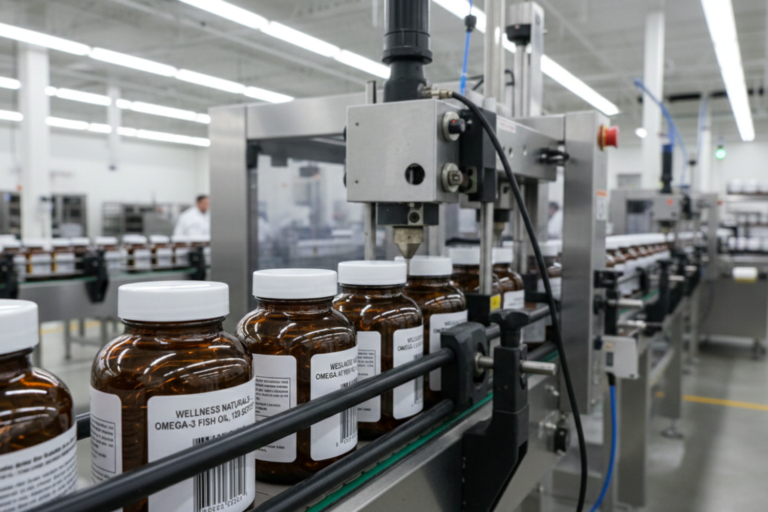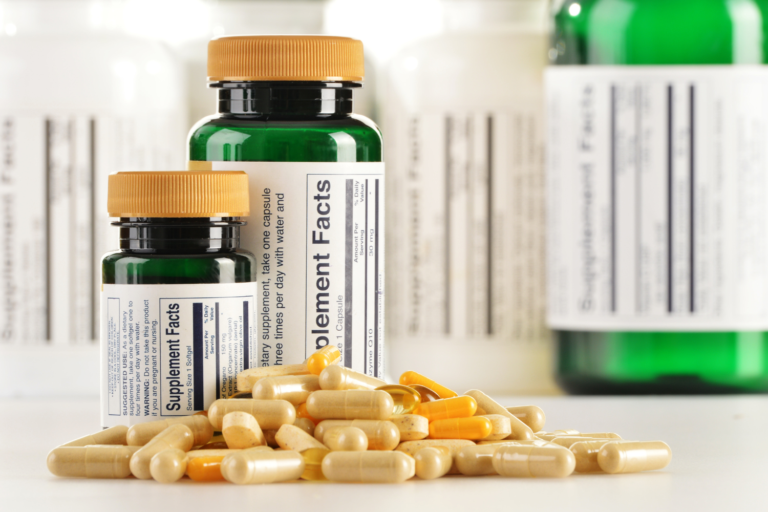
Starting a supplement brand is exciting, but the upfront cost often makes founders pause. Many beginners turn to private label dropshipping supplements because it offers a low-risk way to test product ideas before ordering large amounts of inventory. With dropship services handling storage, packaging, and shipping, small businesses can launch an online store quickly and avoid early inventory challenges.
Low MOQs (minimum order quantities) make it easier to sell supplements and learn what customers actually want. You can focus on building your supplement brand, creating your own range, and shaping your messaging while a supplier handles order fulfillment.
Even with an easier setup, safety standards still apply. Dietary supplements must follow labeling rules and come from reputable suppliers that meet safety standards. Using pre-qualification criteria helps protect your brand image and keeps your company on a stable path as you grow.
What Is Private Label Dropshipping for Supplements?
Private label dropshipping for supplements allows you to sell products under your own brand while the supplier manages storage, packaging, inventory management, and shipping. This approach removes the need to buy stock products upfront and gives beginners time to test the market.
This setup pairs private label products with dropship services so you can concentrate on branding, customer support, and product research rather than logistics.
How does private label differ from white label?
Private label supplements are created specifically for your brand. You control the formula, label designs, and product offerings. White label products are generic formulas that many sellers can purchase and sell, which means several businesses may offer the same products.
Founders who want a unique brand with a clear identity usually prefer private label supplements over white label.
How does dropshipping work for supplement brands?
In a dropshipping setup, the supplier ships customer orders directly. You operate the online store, market the supplements, and set pricing, while the private label supplement manufacturer handles the rest. This model works well for selling protein powders, whey protein, vitamins, health supplements, pre-workout supplements, and other nutritional supplements.
Who is private label dropshipping best for?
It works well for beginners, fitness enthusiasts, wellness coaches, and small businesses that want a simple and low-cost entry point. It supports founders who want to build brand identity without managing inventory or shipping options early on.

Is It Legal to Dropship Private Label Supplements?
Dropshipping private-label supplements is legal if the products comply with federal rules for dietary supplements. The formulas, labels, and claims still need to meet federal rules even if you never touch the products yourself.
Understanding labeling, your responsibilities as the brand owner, and how compliance works in a dropshipping model helps protect your company from unnecessary risk.
What labeling rules should founders be aware of?
Labels must follow Food and Drug Administration (FDA) rules. This includes accurate ingredients, a proper Supplement Facts panel, serving size, directions, warnings, and contact information. A private label supplements brand should ensure its supplier does not use misleading claims or incomplete labels.
What is your responsibility as the brand owner?
You are responsible for what you sell. Even if a private label supplement manufacturer creates the formula, you must check product quality, label accuracy, and customer feedback to confirm the supplements meet safety expectations.
How does compliance differ when you never handle the product?
Compliance remains the same. The supplier must follow current Good Manufacturing Practices (cGMP) and operate in an FDA-registered facility. Reliable suppliers share documents that show their production process follows regulatory guidelines.

What Are the Pros and Cons of Private Label Dropshipping Supplements?
Private label dropshipping supplements give founders a flexible way to test new products, study their target market, and build a brand without major expenses. It removes the need to store inventory and lets you focus on branding and customer experience.
This model also has limitations. Shipping times, customization options, and long-term growth often depend on your supplier’s abilities rather than your own.
What are the real advantages for beginners?
You get low MOQs, fast setup, and lower financial risk. You can test winning products such as wellness products, protein powders, and high-quality supplements before committing to larger manufacturing runs. This makes dropshipping a practical entry point for learning your market while keeping early costs low.
What hidden challenges do competitors rarely mention?
Some suppliers have slower shipping times, limited customization options, or higher shipping costs. If multiple brands sell the same products, your brand image may suffer unless you customize branding and communicate quality clearly. You also rely heavily on the supplier for managing inventory, consistent packaging, and reliable delivery.
When does dropshipping no longer make sense for scaling?
Dropshipping becomes limiting when you want better margins, faster fulfillment, deeper customization, or full control over formulas. Growing supplement merchants usually shift to traditional private label manufacturing once customer orders become consistent.

How Do You Choose a Reliable Supplement Supplier?
Your supplier directly affects your product quality, safety, and long-term success. A reliable partner offers clean production practices, transparent documentation, and extensive experience in producing high-quality dietary supplements.
Understanding a supplier’s history, certifications, and level of transparency helps you avoid risky matches.
What pre-qualification criteria should every supplier meet?
A supplier offering private-label dropshipping supplements should meet these criteria:
- FDA facility registration and full cGMP compliance
- At least five years of business tenure
- A clean regulatory history with no recalls or warnings
- Certifications such as NSF (National Sanitation Foundation) or ISO (International Organization for Standardization)
- A clear and stable ownership structure
- Positive customer feedback and strong employee satisfaction
- Facility access through virtual tours or in-person visits
These signals show the supplier values product quality and long-term partnerships.
What are common disqualification triggers founders should watch for?
Avoid suppliers with:
- Missing FDA registration or cGMP compliance
- Recent recalls or regulatory issues
- Less than five years in business
- No certifications
- Confusing ownership details
- Refusal to allow facility tours
These red flags often reveal deeper operational problems.
How can beginners verify quality before working with a supplier?
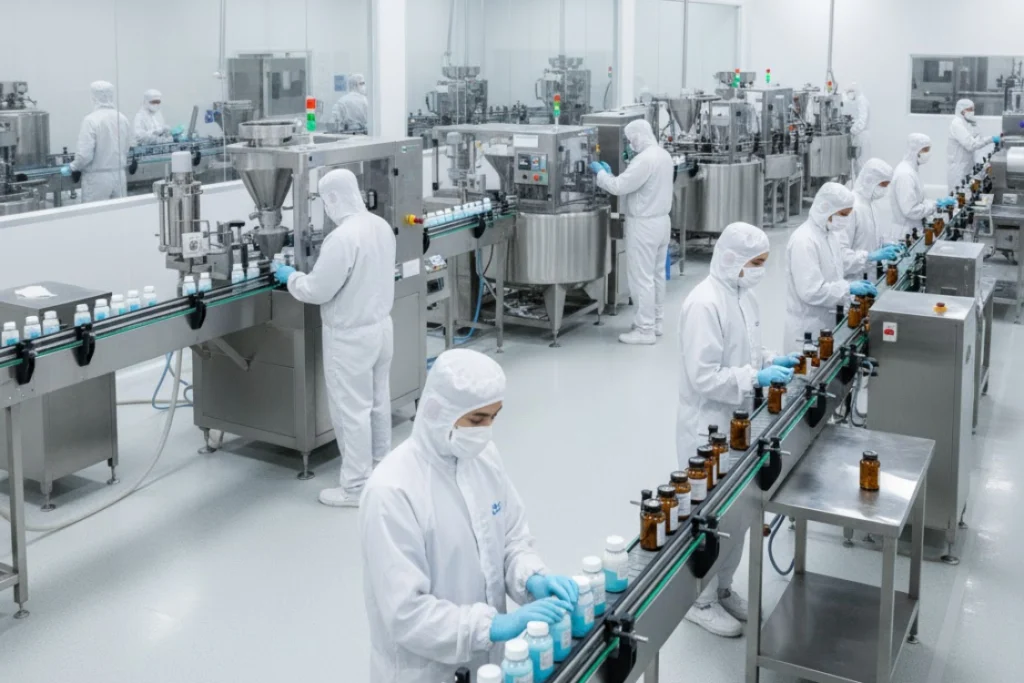
Ask for Certificates of Analysis, review regulatory history, and check references from other companies. A virtual walkthrough of the facility lets you see how capsules, vitamins, and whey protein are produced from start to finish.
How Much Does It Cost to Start Private Label Dropshipping Supplements?
Starting a private label supplement business costs less than traditional manufacturing because you avoid large inventory purchases. Most costs relate to branding, packaging, and the platform you use to sell supplements.
What are typical MOQs in dropshipping vs traditional private label?
Dropshipping usually has no MOQ or very low MOQs, making it easier for beginners to test new products. Traditional private label manufacturing usually requires higher minimum order quantity levels, especially for pre-workout supplements, protein powders, or vitamins.
What fees should you expect for labeling, design, or packaging?
Expect costs for label designs, packaging setup, and barcode creation. The price depends on how much you want to customize branding and reinforce your brand identity. Unique packaging can help boost sales, but it comes with additional fees.
How do fulfillment and platform fees affect margins?
Fulfillment fees, platform fees, and shipping costs reduce your margin per order. Clear shipping options, better communication, and smart inventory management help keep margins healthy as your company scales.
How Do You Build a Brand While Dropshipping Supplements?
You can still build a strong supplement brand even when you rely on dropshipping. Your brand identity takes shape through your messaging, product selection, and the way your company treats customers.
A consistent, thoughtful experience helps customers trust your company more than sellers offering generic private-label products.
What makes branding strong even with low-MOQ products?
Clear messaging, simple packaging, and high-quality products make your brand feel reliable. Custom label designs, educational content, and organized product pages strengthen your image and improve how customers view your company.
How do you choose products that fit a long-term brand vision?
Choose supplements that match what your audience wants. Fitness brands may focus on protein powders, pre-workout supplements, or whey protein, while wellness-focused brands may prefer health supplements and vitamins. This makes your diverse catalog feel intentional.
How do you avoid looking like a generic dropshipping store?
Personalize branding, write clear descriptions, and highlight your focus on product quality. Work with reliable suppliers and avoid offering too many unrelated items. A focused market message helps your business stand out.
How Do You Transition From Dropshipping to a Full Manufacturing Partner?
As your business grows, dropshipping may no longer offer the control you need. A full manufacturing partner gives you more say in formulas, packaging, and overall supply chain reliability.
This move helps you maintain consistent product quality and serve your customers better.
When should you switch from dropshipping to custom manufacturing?
You should consider switching when demand increases, and your current setup limits growth. Larger runs allow deeper customization and stronger brand identity.
How does product testing and quality control change?
Quality control becomes more hands-on. You may request COAs, review raw materials, or evaluate the formula directly with a private label supplement manufacturer. This extra step improves your ability to provide high-quality dietary supplements.
What criteria matter when choosing your long-term manufacturer?
Look for certifications, tenure, stable ownership, and a clean regulatory history. Avoid companies with unclear records or missing certifications. A reliable partner with extensive experience helps you grow beyond the initial concept.
How to Use These Criteria to Build a Supplement Brand
Beginning with private label dropshipping supplements lets founders test ideas quickly and safely. The key is partnering with reputable suppliers, reviewing compliance documents, and applying strong pre-qualification criteria. When sales grow, moving to traditional private label manufacturing gives you greater control over formulas, packaging, pricing, and long-term product quality. A careful start creates a stronger foundation for building a unique brand customers trust.
Frequently Asked Questions
Can you legally dropship private label supplements?
Yes, you can dropship private label supplements as long as the products follow dietary supplement labeling rules and come from reputable suppliers.
What’s the minimum order quantity for private label dropshipping?
Most dropship services have low MOQs or no minimum order quantity at all, since you only pay when a customer places an order.
How do you make sure your supplement supplier is reputable?
You review certifications, check cGMP compliance, read customer feedback, and request COAs or references before committing.
What types of supplements are easiest to private-label?
Protein powders, vitamins, and basic wellness products are usually the easiest because they have steady demand and simple formulas.
When should a brand move beyond dropshipping?
A brand should shift to full manufacturing when sales increase, and you need better control over formulas, pricing, and shipping times.
References
- Food and Drug Administration. (2024, February 21). Questions and answers on dietary supplements. https://www.fda.gov/food/information-consumers-using-dietary-supplements/questions-and-answers-dietary-supplements#:~:text=Under%20the%20FD%26C%20Act%2C%20a,and%20regulations%20governing%20dietary%20supplements
- Food and Drug Administration. (2024, April 24). Current good manufacturing practices (CGMPs) for food and dietary supplements. https://www.fda.gov/food/guidance-regulation-food-and-dietary-supplements/current-good-manufacturing-practices-cgmps-food-and-dietary-supplements#:~:text=Following%20Current%20Good%20Manufacturing%20Practices,Safety%20Modernization%20Act%20(FSMA)
- FDA Help. (n.d.). FDA food label compliance: Label review fees. https://www.fdahelp.us/fda-label-review.html
- International Organization for Standardization. (n.d.). ISO: Global standards for trusted goods and services. https://www.iso.org/home.html
- Keenan, M. (2025, September 18). Private label dropshipping: 2026 guide + top suppliers. Shopify. https://www.shopify.com/ph/blog/private-label-dropshipping
- NSF International. (n.d.). NSF. https://www.nsf.org/