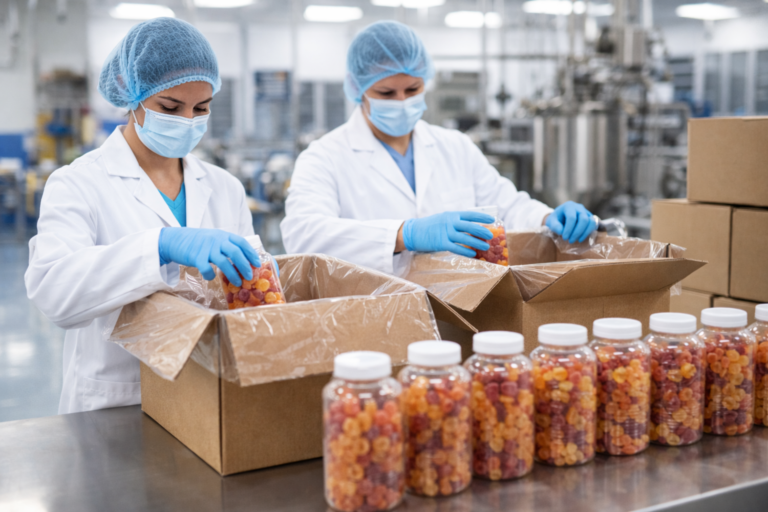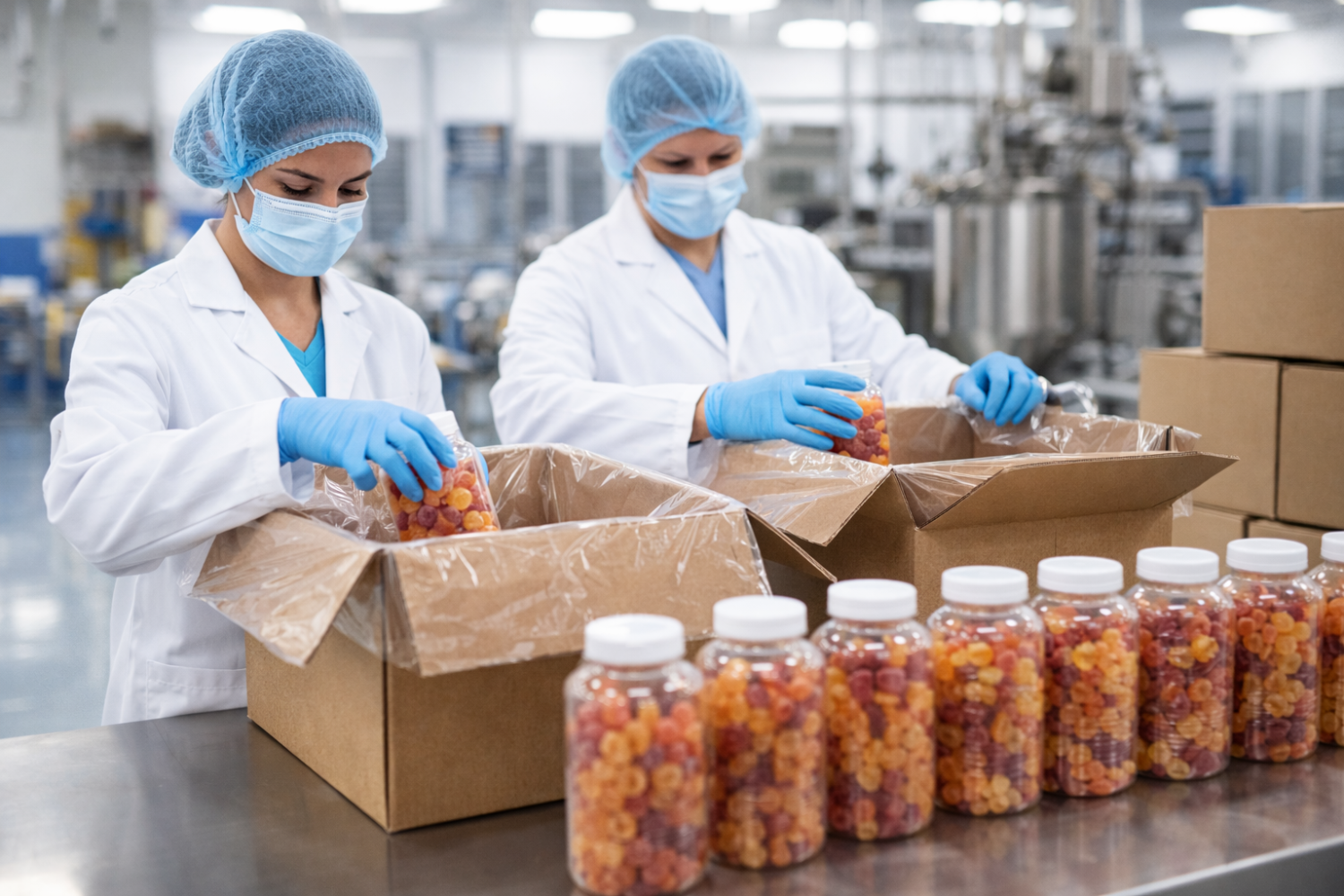
Gummy supplements are among the fastest-growing formats in the wellness industry, thanks to their convenience, appealing taste, and wide demographic reach. Many brands are drawn to gummy vitamins and gummy supplements because they taste good, feel convenient, and appeal to both kids and adults. This article explains how Inventory Ready’s evaluation framework helps founders look beyond flavor and price to identify manufacturing risks that affect product quality, safety, and long-term success.
Analyzing Texture and Stability in Different Climates
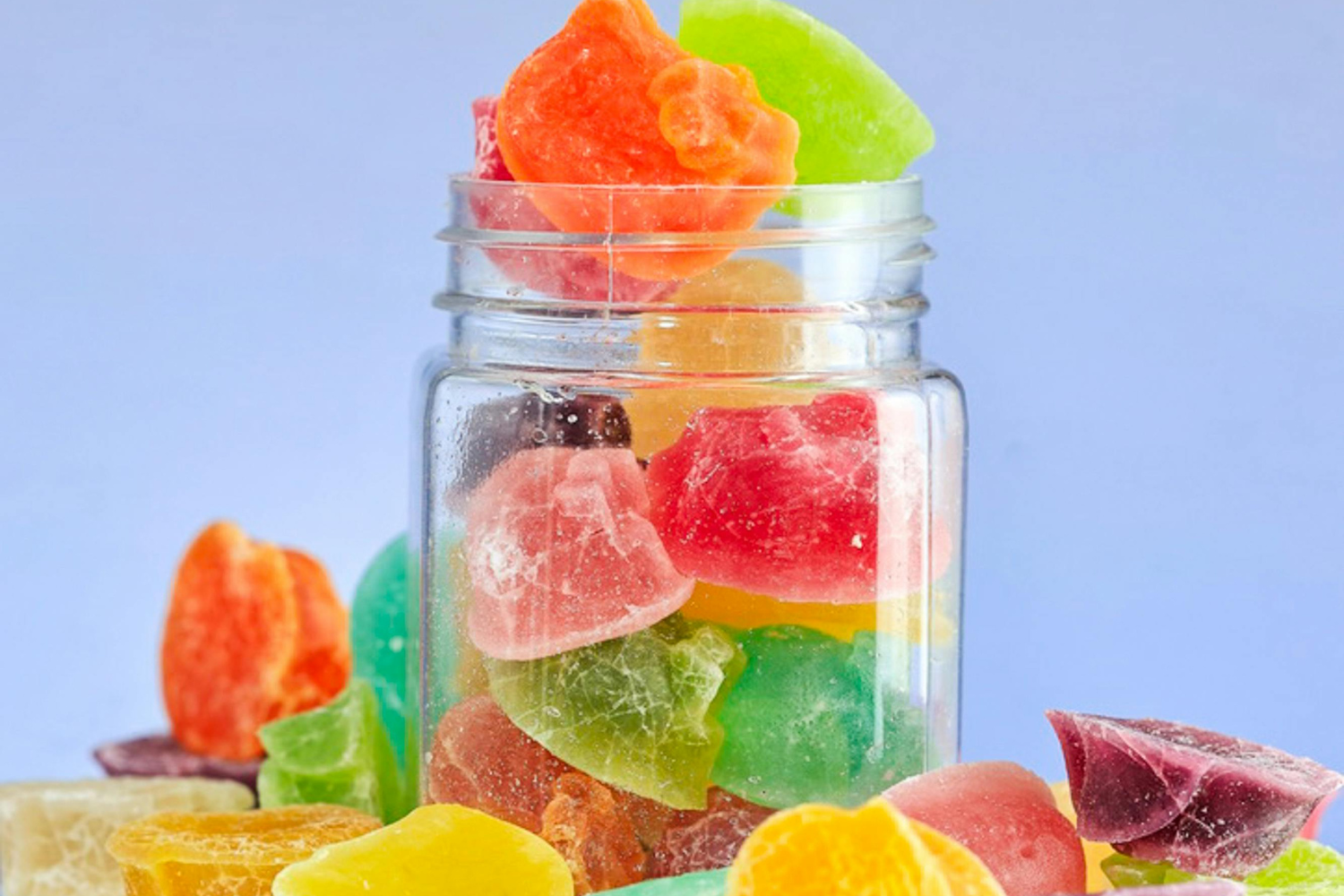
Texture and stability determine whether gummies arrive intact or melt into a single, unusable mass, as they are highly sensitive to heat and humidity. Without proper stability testing, gummy products may fuse or become misshapen, reaching customers and damaging brand trust.
Heat Resistance of Pectin Versus Gelatin Formulations
Pectin-based gummies often offer greater heat resistance than gelatin-based formulas when formulated for warm climates. Gelatin provides a softer texture but can lose structure more easily under high temperatures. Selecting the right formulation affects texture, serving size accuracy, and shelf life for vitamin gummies.
Stress Testing Protocols for High-Temperature Shipping
Stress testing simulates real shipping conditions by subjecting products to elevated heat and humidity. These evaluations help confirm whether gummies maintain shape, potency, and taste during transit. Manufacturers that skip this step increase the risk of product quality issues before customers open the package.
Anti-Sticking Coating Technologies for Preventing Clumping
Anti-sticking coatings reduce surface moisture, helping prevent gummies from clumping together. This added surface protection also improves handling during packaging and storage. Without these technologies, gummies may stick, tear, or lose visual appeal.

Verifying Ingredient Potency and Homogeneity
Potency and even distribution help confirm that each gummy contains the labeled amount of nutrients. Because gummies require precise mixing, poor processes can create uneven “hot spots,” especially in CBD gummies, melatonin, vitamins, and minerals.
Overages Added to Ensure Shelf-Life Potency
Overages are extra active ingredients added during formulation to offset natural potency loss over time. When calculated correctly, overages help gummies meet label claims through the stated shelf life. Poorly calculated overages, however, may raise safety or compliance concerns.
Batch Testing Methods for Verifying Dosage Uniformity
Batch testing evaluates multiple samples from the same production run to confirm uniform dosage. These checks help verify that gummies fall within acceptable dosage ranges. Consistent testing supports the production of high-quality products and reduces recall risk.
Third-Party Lab Validation of Active Ingredient Levels
Independent laboratories validate potency, purity, and safety. Third-party testing builds confidence with regulators, customers, and retail partners. It also helps brands demonstrate compliance throughout the supply chain.

Assessing the Manufacturer’s Business Stability
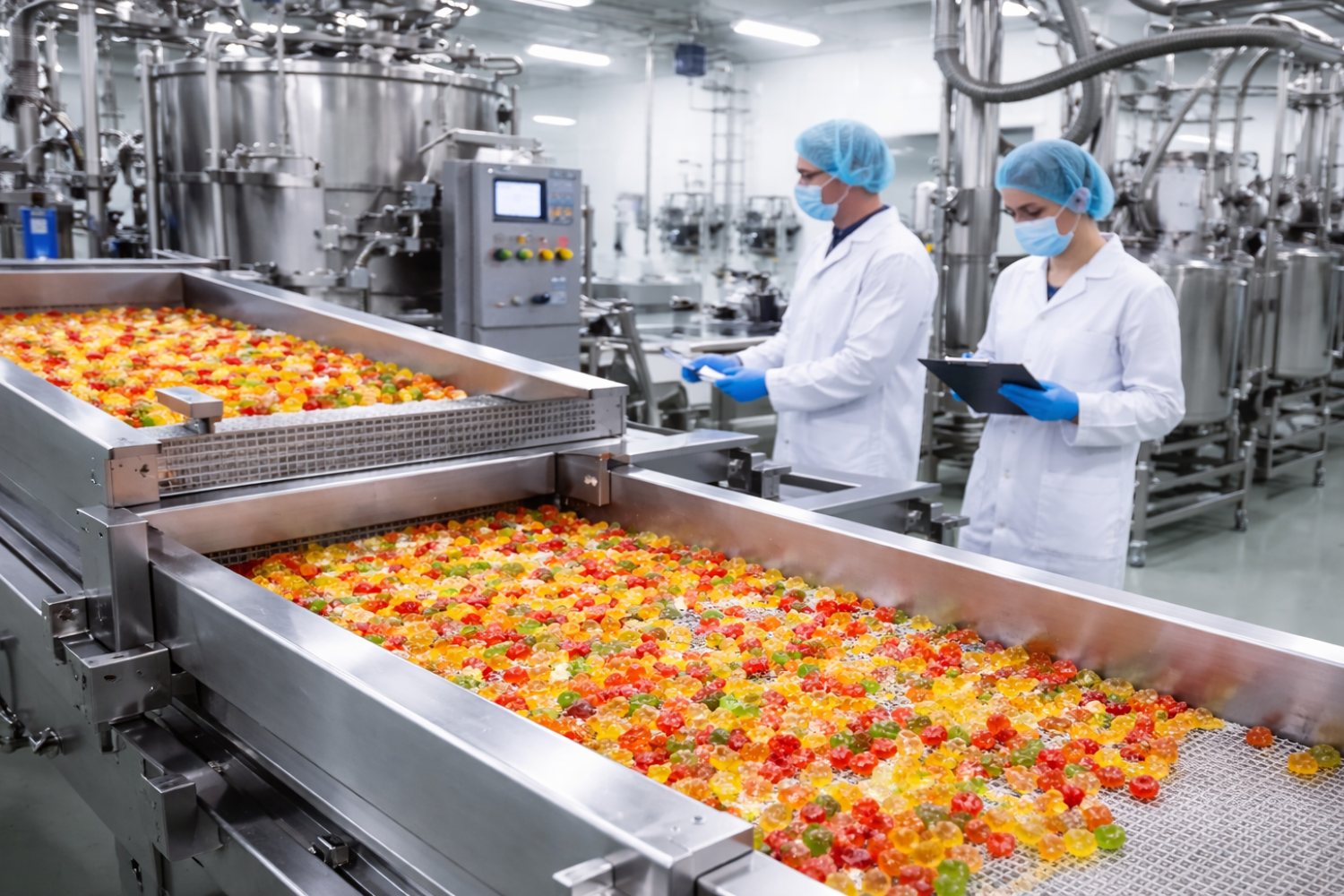
Manufacturer stability directly influences long-term quality and consistency. Producing gummies requires costly machinery, trained teams, and refined processes. Established companies are better positioned to maintain strict quality control during periods of growth or market disruption.
Minimum Five Years of Operational History
Five years of operational history show that a company has navigated regulatory changes and market shifts. Experienced manufacturers are more likely to have refined formulas, skilled teams, and reliable systems. This track record reduces risk for private-label brands.
Financial Resilience to Absorb Supply Chain Disruptions
Supply chain disruptions can delay the delivery of ingredients or packaging materials. Financially resilient manufacturers can secure alternatives without reducing standards. This helps maintain consistency and uninterrupted production.
Refined Processes for Regulatory Audits
Regulatory audits review safety, labeling, and manufacturing practices. Companies with audit-ready processes respond more efficiently and reduce compliance risk. This operational maturity supports long-term success in the supplements market.
Critical Red Flags to Watch for During Sampling
Physical inspection of samples can reveal manufacturing problems that documentation may overlook:
- Weeping or wet surfaces that indicate excess moisture or poor stability
- Sugar crystallization on the exterior is often caused by formulation errors
- Inconsistent shapes or sizes that suggest weak molding controls
- Chemical aftertastes masking the flavor, which may point to artificial additives or preservatives
These warning signs often predict future quality issues and customer complaints.
Evaluating Clean Label and Allergen Controls
Clean-label expectations continue to rise as parents and consumers seek gluten-free, non-GMO, and allergen-aware supplements. Many gummy facilities also produce candy, increasing the risk of cross-contamination. Strong controls reduce exposure risks for children, adults, and sensitive customers.
Dedicated Lines for Allergen-Free Production Runs
Dedicated production lines reduce exposure to nuts, dairy, or other allergens. This approach is especially important for kids’ supplements and wellness products marketed to families. Clear separation improves safety and customer confidence.
Cleaning Validation Protocols Between Flavor Changes
Cleaning validation confirms that no residue remains between production runs. This protects flavor integrity and limits ingredient carryover. Documented validation also supports compliance and accurate labeling.
Sourcing Transparency for Natural Colors and Flavors
Transparent sourcing explains the origins of colors, flavors, and nutrients. Natural ingredients can vary more than synthetic options, making oversight essential. Clear documentation supports quality assurance and regulatory review.

Understanding Packaging’s Role in Shelf Life
Packaging protects gummies long after manufacturing by limiting exposure to moisture and light. Selecting appropriate materials helps support texture, taste, and potency over the product’s shelf life.
Desiccant Inclusion to Control Moisture Levels
Desiccants help manage moisture exposure, which is one of the biggest threats to gummy stability during storage. They absorb excess moisture inside bottles and jars, helping maintain texture and reduce clumping over time. This simple addition can significantly reduce returns.
UV-Blocking Bottle Materials for Light-Sensitive Vitamins
UV-blocking packaging protects light-sensitive vitamins and nutrients from degradation after manufacturing. Certain vitamins and nutrients break down when exposed to light, so UV-resistant materials help extend shelf life. This support for stability also helps maintain label accuracy and consistent quality.
Child-Resistant Cap Functionality for Safety Compliance
Child-resistant caps play a key role in meeting safety and compliance expectations for gummy supplements. These closures reduce the risk of accidental ingestion, especially in households with children. Proper cap testing supports safety compliance without frustrating customers.

Key Quality Control Checkpoints for Gummy Production
The table below highlights critical areas to review when evaluating a private label partner:
| Quality Factor | Why It Matters | Risk If Ignored |
|---|---|---|
| Mixing Technology | Supports even distribution of active ingredients | Uneven potency and safety concerns |
| Stability Testing | Confirms gummies tolerate shipping and storage | Melted or fused products |
| Packaging Selection | Limits exposure to moisture and light | Texture loss and nutrient breakdown |
| Allergen Controls | Reduces cross-contact risk | Customer safety concerns and recalls |
These checkpoints help brands align quality with long-term market expectations.
Securing Your Brand’s Reputation Through Rigorous Vetting
Flavor may sell the first bottle, but quality drives repeat purchases and loyalty. Founders who ask deeper questions protect brand reputation, customer trust, and long-term growth. Careful vetting helps ensure that private-label gummies remain stable, potent, and safe from production through delivery.
By prioritizing strict quality control, experienced partners, and transparent processes, brands reduce negative reviews and costly recalls. Careful evaluation helps transform gummies from a short-term trend into a dependable product customers return to.
Frequently Asked Questions
What is the difference between pectin and gelatin gummies?
Pectin gummies are plant-based and typically more heat-resistant, while gelatin gummies have a softer texture but may be more sensitive to warm conditions.
How do I stop private-label gummies from melting during shipping?
Melting risk is reduced through heat-stable formulations, stability testing, and moisture- and heat-protective packaging.
What is the minimum order quantity for custom gummies?
Minimum order quantities vary by gummy manufacturer and depend on formulation, flavor, and packaging requirements.
Do gummies have a shorter shelf life than capsules?
Gummies can be more sensitive to moisture and heat than capsules, potentially shortening shelf life if packaging and storage are not properly managed.
Can I customize the shape of my private-label gummies?
Most manufacturers offer custom molds, though shape customization can affect production timelines and costs.
References
- Consumer Healthcare Products Association. (n.d.). Voluntary codes and guidelines: Certificate of analysis for dietary supplement components. https://www.chpa.org/public-policy-regulatory/voluntary-codes-guidelines/certificate-analysis-dietary-supplement
- National Institute of Standards and Technology. (n.d.). Statistics for food and supplement standard reference materials (SRMs). https://www.nist.gov/programs-projects/statistics-food-and-supplement-srms
- Gluten-Free on the Label? Now It Means Something. (n.d.). https://www.foodsafety.gov/blog/gluten-free-label-now-it-means-something
- Roseland, J. M., Holden, J. M., Andrews, K. W., Schweitzer, A. L., Perry, C., Dwyer, J. T., & Picciano, M. F. (2008). Dietary supplement ingredient database (DSID). PMC. https://pmc.ncbi.nlm.nih.gov/articles/PMC3846171/
- U.S. Food and Drug Administration. (n.d.). Title 21 Part 111—Current good manufacturing practice in manufacturing, packaging, labeling, or holding operations for dietary supplements. https://www.ecfr.gov/current/title-21/chapter-I/subchapter-B/part-111
- Current innovations in the development of functional gummy candies. (n.d.). Foods, 13(1), 76. https://pmc.ncbi.nlm.nih.gov/articles/PMC10778822/