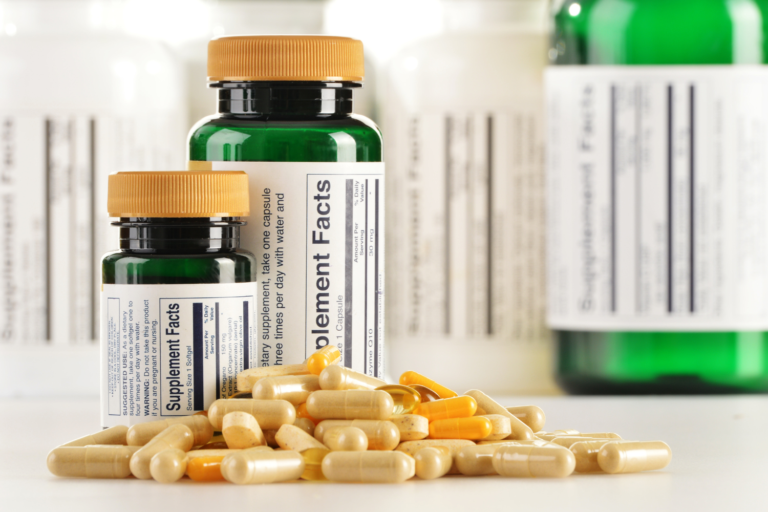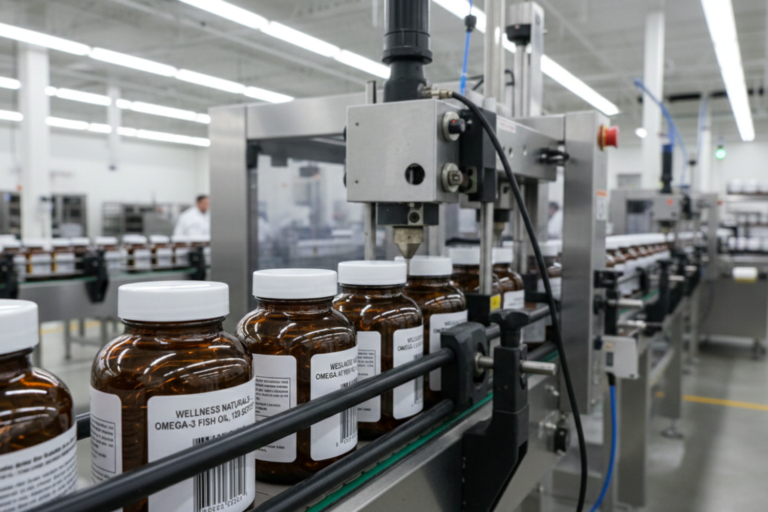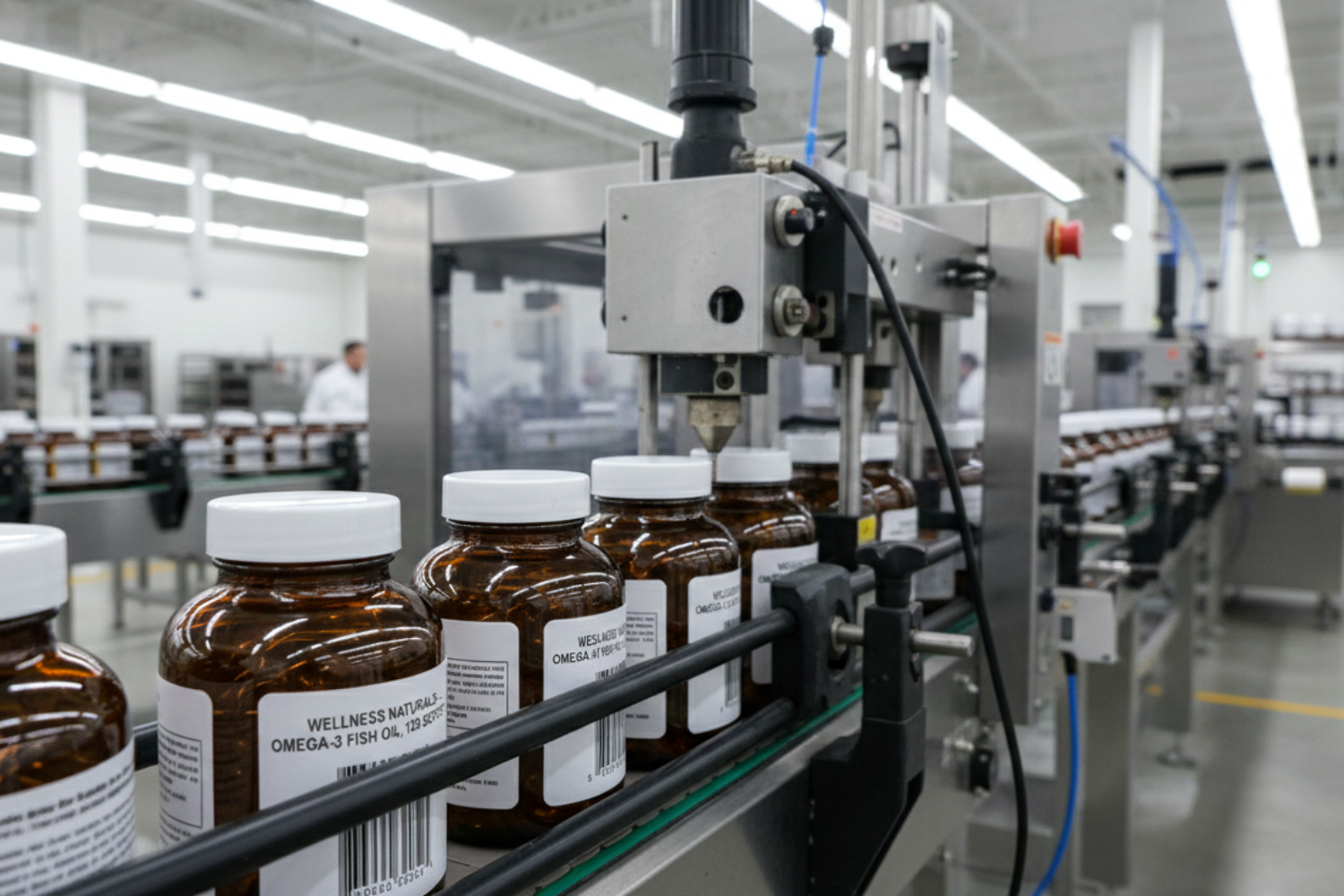
Supplement packaging is often treated as a visual or branding decision, but it functions as a core supply chain variable that shapes production speed, inventory planning, and revenue outcomes. Supplement packaging choices such as custom bottles, unique caps, specialty containers, or foil stamping can quietly add weeks to manufacturing timelines, increasing stockout risk for growing supplement brands.
This article explains how packaging decisions influence lead times and inventory planning, and why smart packaging balances desired aesthetics with operational speed. Using the Inventory Ready framework, this guide helps nutritional supplement brands make packaging decisions that protect cash flow, maintain availability, and support sustainable growth.
The Lead Time Gap Between Stock and Custom Components
The lead-time gap between stock and custom components arises because packaging materials follow different sourcing and production paths. Stock options are usually held domestically and can enter production immediately, while custom dietary supplement packaging often depends on overseas manufacturing, specialized tooling, and higher minimum order quantity (MOQ) requirements.
Immediate Availability of Stock White and Amber Bottles
Stock white and amber bottles are readily accessible because they are produced at scale and maintained in domestic inventory for immediate use. These containers support fast turnaround production, efficient labeling, and predictable inventory planning for vitamins, capsules, powders, and protein powders.
Using stock bottles allows manufacturers to prioritize production efficiency, protect supplements from spoilage, and ensure customers receive their orders without unnecessary delay. This availability also reduces procurement risk, simplifies forecasting, and helps brands respond quickly to sales spikes or promotional demand without disrupting production schedules.
Extended Timelines for Custom Molds and Color Matching
Custom packaging like molded bottles or Pantone-matched lids often adds 8 to 12 weeks to the timeline due to specialized tooling and overseas production. These delays increase freight costs and the risk of stockouts if demand changes unexpectedly.
Longer timelines often increase shipping costs, expand the carbon footprint of inbound freight, and raise the likelihood of inventory gaps when demand shifts unexpectedly. These delays also limit flexibility, making it harder for brands to adjust designs, quantities, or timelines once production commitments are locked in.
Impact of MOQs on Custom Components
MOQs, or the smallest quantity a supplier will produce, significantly affect custom packaging timelines. Custom components often require purchases of 10,000 units or more, which ties up cash and storage space before products are manufactured. Low MOQs are rare in custom packaging, making stock alternatives more efficient for early-stage supplement brands managing costs, quantities, and production risk.
How Labeling Complexity Affects Production Speed
Labeling complexity affects production speed because advanced print processes require additional setup, specialized equipment, and longer approval queues. While labels are often viewed as branding components, they are closely linked to manufacturing efficiency and the reliability of lead times.
Digital Printing Versus Flexographic Plate Setup Times
Digital printing moves faster because it eliminates plate setup and supports quick artwork changes for vitamins, nutrition products, and dietary supplements. Flexographic printing requires custom plates, which increases setup time and slows production when designs change.
Brands prioritizing fast turnaround often choose digital print labels to preserve production flexibility and maintain competitive rates.
Delays Caused by Third-Party Label Application
Third-party label application introduces delays when labeling is outsourced rather than integrated into the manufacturing process. Additional handling steps add time to transit, increase the risk of damage, and complicate coordination between vendors.
These delays can affect shipping schedules and reduce operational efficiency across the entire journey from production to customer delivery.
Regulatory Review Cycles for Complex Label Claims
Labels with detailed product positioning or ingredient descriptions often go through longer regulatory review cycles. Each revision can extend approval timelines, slowing production schedules and delaying purchasing decisions.
Simplifying labels during early growth phases helps supplement brands protect speed, quality, and compliance without sacrificing clarity.
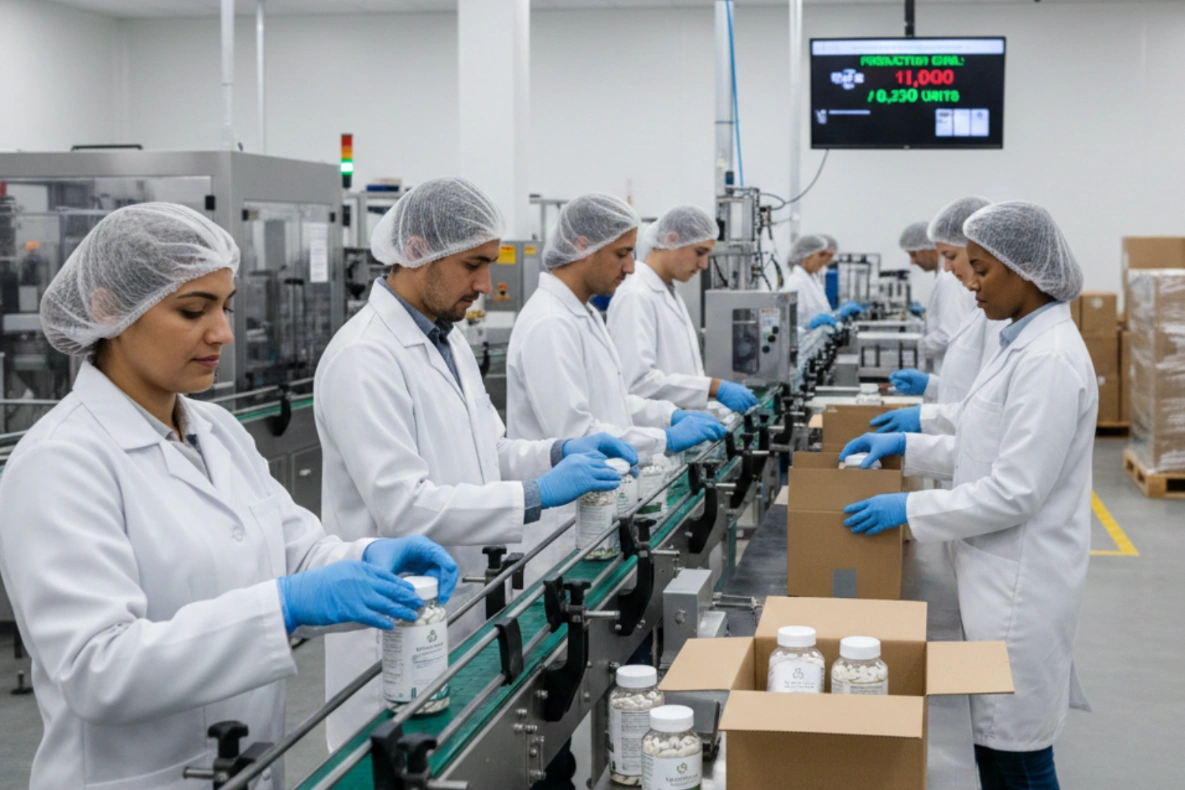
The Hidden Logistics of Supplement Packaging Storage
The hidden logistics of packaging storage affect cash flow, warehouse capacity, and long-term planning. Custom packaging is often purchased in bulk and stored before use, adding to operational costs beyond production.
Cash Flow Implications of Bulk Packaging Purchases
Bulk packaging purchases require upfront capital, reducing flexibility for marketing, production, or business growth. Funds tied up in cardboard boxes, bottles, or paperboard substrates limit the flexibility to scale or test new products. This tradeoff influences purchasing decisions and long-term profitability. It can also increase storage costs, slow inventory turnover, and increase financial risk during unexpected demand shifts or formulation changes.
Storage Fees for Holding Empty Components
Manufacturers may charge storage fees to hold unused containers, labels, or packaging boxes. These fees accumulate monthly and increase overall production cost without adding customer value. Efficient packaging strategies reduce idle inventory and support stronger cash management. They also help prevent overcrowded warehouses, minimize handling errors, and improve forecasting accuracy for future production planning cycles.
Risks of Packaging Damage or Obsolescence During Storage
Stored packaging faces risks such as moisture exposure, crushing, or design changes that make components obsolete. Updates to artwork, branding, or regulatory language can render stored materials unusable. This risk highlights the importance of aligning packaging quantity with accurate demand forecasting.

Evaluating Manufacturer Flexibility With Packaging Changes
Evaluating manufacturer flexibility ensures the supply chain can adapt when packaging delays occur:
- Can production switch to a stock alternative if custom components are delayed
- Does the manufacturer maintain relationships with multiple packaging vendors
- What is the policy on client-supplied packaging
Strategies for Balancing Branding and Speed
Balancing branding and speed requires intentional packaging decisions that evolve as the business matures. Early-stage supplement brands benefit from prioritizing availability and efficiency, while scaling brands can gradually introduce customization. This approach supports operational stability and long-term growth.
Utilizing High-End Labels on Stock Bottles for a Premium Look
High-end labels with a matte finish, refined typography, and intentional artwork elevate presentation on stock bottles. This strategy delivers instant brand recognition without the delays associated with custom containers. Supplement brands gain visual impact while maintaining fast production timelines.
Forecasting Inventory Needs Based on Packaging Lead Times
Accurate forecasting aligns production schedules with packaging availability and demand cycles. Brands should account for packaging lead times when planning inventory replenishment to reduce stockout risk.
The table below shows how packaging choices influence planning timelines.
| Packaging Type | Typical Lead Time | Inventory Risk |
|---|---|---|
| Stock Bottles | 1 to 2 Weeks | Low |
| Custom Labels | 3 to 6 Weeks | Medium |
| Custom Containers | 8 to 12 Weeks | High |
Implementing a Safety Stock of Standard Packaging
Maintaining a safety stock of standard packaging creates a buffer against supply disruptions. This approach protects production continuity and ensures customers receive products even when custom components are delayed. Safety stock improves resilience without significantly increasing storage burden.
Streamlining Your Supply Chain Through Smart Design
Supplement packaging is a critical variable in the lead time equation, influencing production speed, inventory planning, and customer satisfaction. Smart planning ensures bottles, boxes, and containers never become the reason a sale is lost.
By aligning packaging design with manufacturing capabilities and predictable lead times, supplement brands reduce bottlenecks, preserve availability, and support long term business stability.
Frequently Asked Questions
What is the standard lead time for custom supplement packaging?
Custom supplement packaging typically has a lead time of 6 to 12 weeks, depending on materials, tooling, printing complexity, and sourcing location.
Can I supply my own packaging to a contract manufacturer?
Many contract manufacturers allow client-supplied packaging, although approval checks, handling procedures, and additional fees may apply.
Does glass packaging take longer to source than plastic?
Glass packaging often takes longer to source than plastic due to fewer suppliers, higher shipping constraints, and increased breakage precautions.
What are the MOQs for custom-printed supplement bottles?
Minimum order quantities for custom-printed supplement bottles typically range from 5,000 to 10,000 units or more, depending on supplier requirements and the level of customization.
How does packaging affect shipping costs for supplements?
Packaging affects shipping costs by influencing weight, durability, cube efficiency, and damage risk, which in turn affect freight rates and transit losses.
References
- Dietary Supplement Safety and Regulatory Information. (2024). Questions and answers on dietary supplements. U.S. Food and Drug Administration. https://www.fda.gov/food/information-consumers-using-dietary-supplements/questions-and-answers-dietary-supplements
- Harvard T.H. Chan School of Public Health. (n.d.). Dietary supplements. The Nutrition Source. https://nutritionsource.hsph.harvard.edu/dietary-supplements/
- National Academies of Sciences, Engineering, and Medicine. (2014). Dietary Reference Intakes for Calcium and Vitamin D. The National Academies Press. https://www.govinfo.gov/content/pkg/GOVPUB-HE-PURL-gpo68585/pdf/GOVPUB-HE-PURL-gpo68585.pdf
- PubMed. (2014). Perspectives on the use of proprietary blends in dietary supplement labeling. https://pubmed.ncbi.nlm.nih.gov/25416097/
- U.S. Consumer Healthcare Products Association. (n.d.). Certificate of analysis for dietary supplement components (voluntary guideline). https://www.chpa.org/public-policy-regulatory/voluntary-codes-guidelines/certificate-analysis-dietary-supplement
- U.S. Consumer Healthcare Products Association. (n.d.). FAQs about dietary supplements regulations. https://www.chpa.org/about-consumer-healthcare/faqs/faqs-about-dietary-supplements-regulations-0